

Choosing Halal Wholesale Chicken in Nearby Areas
Halal Wholesale Chicken
Halal wholesale chicken is a category of chicken that is processed in accordance with the principles of Islamic law, which includes the way the meat is slaughtered and handled. To meet halal standards, chicken must be slaughtered by Muslim slaughterers using appropriate methods, such as slaughtering with a sharp knife and chanting the name of Allah before slaughtering. In addition, the process of cleaning and storing the chicken must be done carefully to ensure there is no contamination with non-halal products.
Choosing halal Wholesale Chicken is not only important to fulfill religious guidance but also to ensure food quality and safety. Consumers who are concerned about halal often also check for certifications from official agencies that oversee the halalness of products. By purchasing Wholesale Chicken from a reliable and halal-certified source, you can ensure that the products you consume are in accordance with halal principles and provide a better taste in every dish.
In choosing Wholesale Chicken for daily needs, it is important to ensure that the meat purchased is not only fresh, but also halal. For the Muslim community, the halalness of products is a major factor in food consumption. Halal Wholesale Chicken is not only determined by the type and quality of the chicken, but also by the way it is slaughtered in accordance with the guidance of Islamic law. This article will discuss various ways to ensure that you can find halal wholesale chicken in your neighborhood, as well as provide tips for choosing quality chicken meat that is safe for consumption.
Wholesale Chicken Price Today
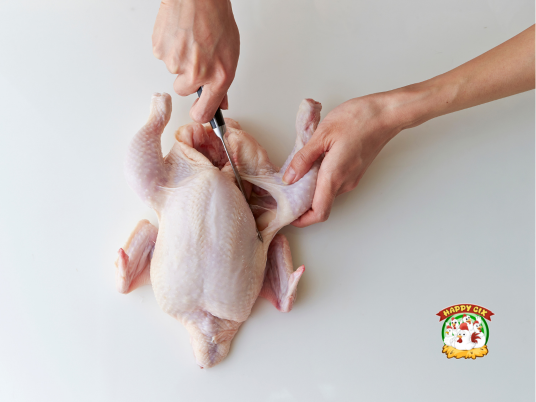
Halal wholesale chicken prices often fluctuate significantly from day to day, influenced by factors such as market demand, feed costs, and weather conditions. This unpredictability can make halal wholesale chicken prices difficult to predict, even in the short term. For example, when demand is high during the holiday season or special events, Wholesale Chicken prices can spike drastically. Conversely, when supply is abundant or there is a drop in demand, prices can drop quickly.
This price instability can affect budget planning and pricing strategies for culinary businesses and consumers. To cope with this uncertainty, many parties monitor prices regularly through market information sources and try to establish good relationships with suppliers to get the latest updates. This way, they can make more informed decisions and adjust their strategies accordingly as halal wholesale chicken price fluctuations occur.
Wholesale Chicken with Halal Certification
Finding halal-certified slaughter chicken is now easier than ever for the increasing consumer awareness of the availability of halal products in the market. One of the most effective ways is to check the halal label on the product packaging. Halal-certified wholesale chicken products are usually equipped with a halal logo from an authorized institution, such as MUI (Majelis Ulama Indonesia). This logo indicates that the chicken production process has gone through checks and strict supervision according to Islamic law.
Besides checking the label on the product, you can also visit a halal-certified chicken slaughterhouse. Certified chicken slaughterhouses usually publicize information about their certification, either through physical stores or online. Be sure to look for a reputable place that has been recognized by a halal certification body, so you can be sure that the slaughtering process is done accordingly.
To make things easier, many large supermarkets and online food product providers provide halal-certified wholesale chicken. You can find information about these halal products through official websites or online shopping apps, which often include halal information on their products. From the many options available, finding halal-certified wholesale chicken has become more practical, both for daily use and special occasions.
Selling Wholesale Chicken Nearby
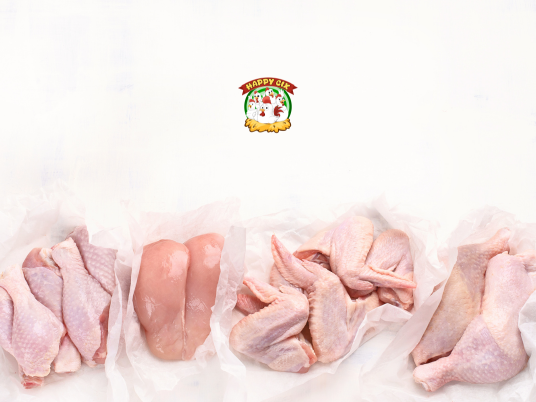
Finding your nearest wholesale chicken seller in Bali can be a challenge, especially if you're a first-time supplier on the island. The first step is to do some local research to identify nearby Wholesale Chicken sellers. You can utilize resources such as online business directories, map apps, or recommendations from local business associates to find a list of Wholesale Chicken sellers operating around Bali.
Next, after finding a few potential sellers, it is important to evaluate the quality and services they offer. Visit their premises, if possible, to inspect their slaughtering and storage facilities, and speak directly with the vendor about quality standards, pricing, and delivery terms. Ensure that the seller meets good hygiene and food safety standards and is able to provide fresh, quality halal wholesale chicken to suit your needs.
Finally, building a good relationship with your chosen halal wholesale chicken seller can facilitate access to consistent supply and the best deals. Discuss specific customer requirements, such as volume and frequency of deliveries, to ensure that the seller can fulfill customer requests in a timely manner. By taking these steps, it will be easier for you to find a reliable and nearby Wholesale Chicken seller to support your business operations or culinary needs in Bali.
Wholesale Chicken Supplier
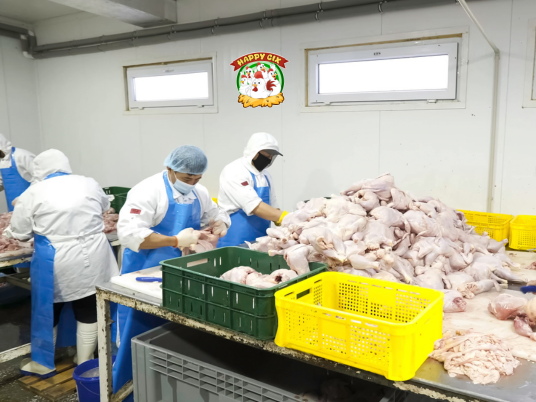
Finding the right wholesale chicken supplier is an important step in ensuring the quality and consistency of chicken supply for your culinary business. Having a reliable supplier not only affects the taste and quality of the dishes you serve, but also contributes to the smooth running of your day-to-day operations. By choosing the right supplier, you can ensure that your wholesale chicken supply is always fresh, safe and up to the required standards.
Among the various options available, Happy Cix has emerged as the top choice as a halal chicken slaughterhouse in Bali. With modern facilities and a slaughtering process that complies with Islamic law, Happy Cix ensures that every chicken they distribute meets strict halal and hygiene standards. Their commitment to quality and adherence to halal principles provides assurance that the products you receive are the best and in line with market needs.
Choosing Happy Cix as your Wholesale Chicken supplier means that you can count on them to provide consistently high-quality products, as well as professional customer service support. With their commitment to excellence and customer satisfaction, Happy Cix is the ideal solution for culinary businesses that need a reliable supply of halal wholesale chicken in Bali. Not only do they provide Halal compliant Wholesale Chicken, but they also provide support in running a culinary business in Bali.

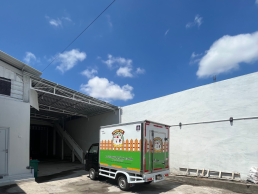
NKV Certification for RPA: A Key of Consumers Trust
What is NKV?
RPA - In the chicken supply industry, the reputation and quality of a poultry slaughterhouse (RPA) must meet specific requirements, such as halal certification and NKV. Have you ever heard of NKV? NKV, or Nomor Kontrol Veteriner (Veterinary Control Number), is a certificate issued by the Indonesian government to animal slaughtering facilities that have met strict hygiene and food safety standards. This certification ensures that animal products are safe for consumption and comply with veterinary public health requirements.
In the poultry slaughterhouse industry, obtaining an NKV certificate signifies a company’s commitment to product quality and hygiene. For example, PT Tulus Ayu Pangan Lestari successfully renewed its NKV certificate, reaffirming its dedication to maintaining cleanliness and safety standards in poultry carcass production. Likewise, RPA Happy Cix, a business unit of PT Tulus Ayu Pangan Lestari, has obtained Level 1 NKV certification—the highest level—indicating its eligibility for export. Additionally, the company holds Halal certification and ISO 22000, further emphasizing its commitment to international standards in poultry meat production and processing. This achievement indirectly proves that their production processes comply with animal health and sanitation standards set by the government.
Overall, NKV certification serves as a guarantee for consumers that the poultry meat they consume has been processed under strict hygiene and safety standards, meeting the veterinary public health requirements established by the Indonesian government.
The Importance of NKV for Poultry Slaughterhouses
 The Veterinary Control Number (NKV) certificate plays a crucial role in the poultry slaughterhouse industry, including for companies like Happy Cix from PT Tulus Ayu Pangan Lestari. This certification serves as proof that poultry slaughtering facilities have met hygiene, food safety, and animal welfare standards in accordance with government regulations. By obtaining NKV certification, a poultry slaughterhouse can ensure that every stage of production, from slaughtering to distribution, is conducted under hygienic conditions and aligns with veterinary public health principles. This is essential in guaranteeing that the products are safe for consumption while reducing the risk of disease transmission from animals to humans.
For companies like Happy Cix's RPA, possessing an NKV certificate also enhances credibility and customer trust—both from end consumers and business partners such as restaurants, supermarkets, and processed food industries. This certification serves as an indicator that their poultry meat production undergoes stringent supervision by relevant authorities, particularly concerning sanitation and waste management. Additionally, since NKV standards align with national and international food regulations, certified companies have greater opportunities to expand their market reach, including the potential for exports.
Furthermore, NKV certification helps boost a company’s competitiveness in the increasingly demanding poultry slaughter industry. By adopting higher operational standards, slaughterhouses can optimize production efficiency, reduce the risk of cross-contamination, and ensure better poultry meat quality. This certification is often a prerequisite for companies seeking partnerships with major distributors or obtaining additional certifications, such as Halal and ISO 22000. Therefore, for Happy Cix and similar businesses, holding an NKV certificate is not only a regulatory compliance measure but also a strategic business move that supports growth and sustainability in the food industry.
RPA in Bali
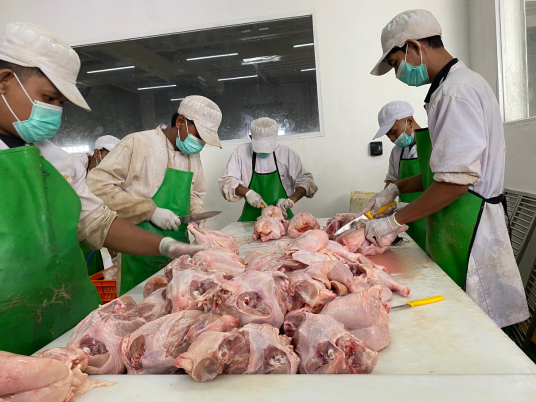 In Bali, the presence of poultry slaughterhouses (RPA) with Halal and Veterinary Control Number (NKV) certifications is essential in ensuring the safety and quality of poultry meat in the market. The Halal certification guarantees that the slaughtering process complies with Islamic law, allowing Muslim consumers to consume the products with confidence. Meanwhile, NKV is a government-issued certification that verifies poultry slaughterhouses meat hygiene, animal health, and food safety standards. By holding both certifications, poultry suppliers can assure that their products are not only safe but also of high quality and in compliance with prevailing regulations.
One such chicken supplier in Bali that meets these standards is Happy Cix, a subsidiary of PT Tulus Ayu Pangan Lestari. As an RPA operating with Halal and NKV certifications, Happy Cix ensures that every stage of the poultry slaughtering process prioritizes cleanliness, animal welfare, and the quality of the produced meat. With these standards in place, customers—including restaurants, hotels, and the culinary industry—can trust the products they purchase. This also guarantees that the poultry meat distributed to the market has undergone a hygienic process and is safe for public consumption.
The presence of certified slaughterhouses like Happy Cix also contributes to the overall improvement of Bali’s poultry industry. With RPA Halal and NKV standards, the industry becomes more professional and competitive in a broader market, including potential expansion into the export sector. Moreover, these regulations support government efforts to maintain public health by ensuring the availability of high-quality poultry meat products. Therefore, poultry suppliers in Bali must obtain these certifications to operate legally, gain consumer trust, and meet market demands while adhering to established standards.
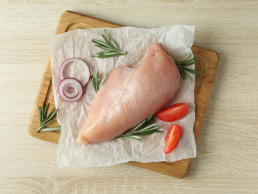
Chicken Breast Fillet: A Simple Choice for Multiple Cuisines
Definition of Chicken Fillet
Chicken Breast Fillet - Chicken fillet refers to pieces of chicken meat obtained from the bird’s body without bones, skin, or other parts like excess fat. The filleting process is typically carried out carefully to obtain pure, tender chicken meat that is uniform in shape and texture. Chicken fillet is often derived from the chicken breast, chicken breast has a smooth texture and is easier to process, although some fillets can also be taken from the thigh for a richer flavor. With its clean and boneless appearance, chicken fillet is a popular main ingredient in various modern cuisines.
The availability of chicken breast fillet provides a practical solution for consumers seeking convenience in meal preparation. Without the need for cutting or deboning, chicken fillet is ideal for various cooking techniques such as grilling, frying, boiling, or stir-frying. This ingredient is also known for its versatility, as it absorbs seasonings well, making it a top choice for both traditional and international dishes. As an efficient cooking ingredient, chicken fillet supports a modern lifestyle that often requires quick preparation without compromising quality and taste.
In the culinary world, chicken breast fillet is often regarded as a symbol of simplicity and efficiency. Not only is it a favorite in household dishes, but it is also widely used in the food industry, such as in fast-food restaurants and catering services. With its tender texture and neutral taste, chicken fillet serves as an ideal canvas for various culinary creations, ranging from spicy, sweet, to savory dishes. The combination of ease of preparation, practicality, and high nutritional value makes chicken fillet one of the indispensable ingredients in modern kitchens.
Chicken Fillet Products
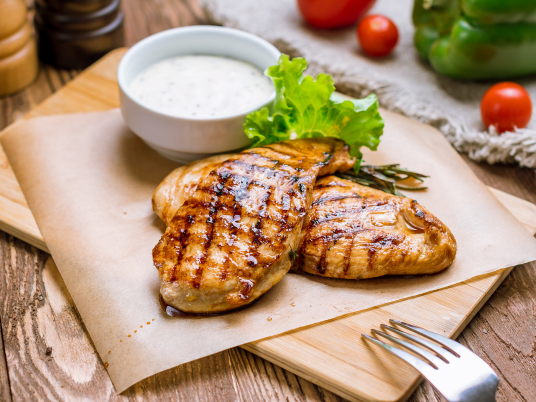 Chicken fillet products come in various types and forms to meet diverse consumer needs. One of the most common is fresh chicken fillet, which is processed immediately after slaughtering without undergoing preservation. This product is usually sold in vacuum packaging to maintain freshness. In addition, frozen chicken fillet is also available for longer shelf life. Frozen fillets are typically processed using rapid freezing technology to preserve the quality and texture of the meat, ensuring it remains fresh when thawed and cooked.
Aside from storage methods, chicken fillet is also available in various cuts to cater to specific culinary needs. There are whole fillets, which are boneless meat sheets often used for chicken steaks or schnitzels. For stir-fried dishes, many consumers opt for fillets that have been pre-cut into small pieces or cubes. Thinly sliced chicken fillets are also available for dishes like sukiyaki or shabu-shabu. These variations provide flexibility for consumers in choosing products that suit their recipes or preferred cooking techniques.
Processed chicken breast fillet products are also increasingly popular in the market. Some of these include marinated chicken breast fillet, pre-seasoned with herbs or sauces, ready to be cooked without adding extra seasoning. There are also breaded chicken fillets, such as chicken katsu or chicken nuggets, which are practical for frying. For consumers seeking convenience and efficiency, these products are an ideal choice. These diverse chicken breast fillet options not only offer flavor variations and ease of use but also encourage creativity in preparing various dishes.
Advantages of Chicken Breast Fillet
One of the main advantages of chicken breast fillet is its ease of preparation. Without bones and skin, chicken fillet allows consumers to cook it directly without needing to separate unwanted parts. This makes chicken fillet a practical choice for those with limited time, such as office workers or families with busy schedules. With chicken fillet, cooking can be done faster and more efficiently, whether for simple daily meals or special dishes.
In addition to its practicality, chicken fillet also offers flexibility in various cooking techniques. Its tender and uniform meat is ideal for grilling, stir-frying, steaming, and frying. Chicken fillet also has an excellent ability to absorb seasonings, making the resulting dishes flavorful and rich in taste. Furthermore, chicken fillet can be transformed into various dishes, from traditional recipes like chicken curry to international menus like chicken steak or teriyaki. This versatility makes chicken fillet a universal ingredient suitable for numerous recipes.
From a nutritional standpoint, chicken breast fillet also has many benefits. Since it is derived from boneless and skinless chicken meat, its fat content tends to be lower compared to other chicken parts. Chicken fillet, especially from the breast, is also rich in high-quality protein, essential for building and repairing body tissues. Its nutritional content makes chicken fillet an ideal choice for those following a healthy diet, such as athletes or individuals on a weight-loss program. The combination of nutritional value, practicality, and flexibility makes chicken breast fillet not only popular but also beneficial for health.
Chicken Breast Fillet Distributors
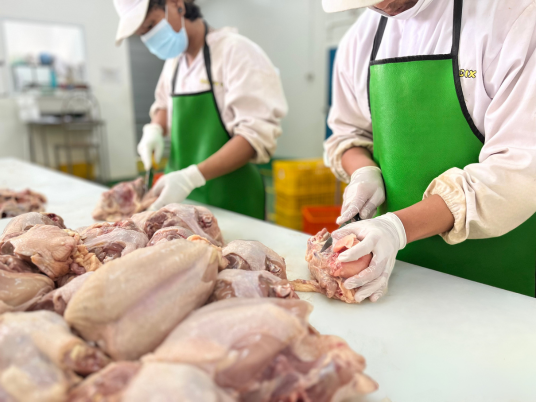 Chicken fillet distributors play a crucial role in ensuring the supply of high-quality chicken meat is available for both household and business needs. Distributors usually collaborate with chicken farms or processing companies to source fresh products that meet quality standards. Afterward, the chicken breast fillet is distributed in various forms, such as fresh, frozen, or pre-marinated, to cater to market demands. Most distributors also utilize advanced storage technologies, such as refrigeration or freezing facilities, to maintain the quality and freshness of chicken fillets until they reach consumers.
In Indonesia, chicken breast fillet distributors serve various market segments, including restaurants, catering services, supermarkets, and traditional markets. They often offer additional services such as custom packaging, timely delivery, and products tailored to customer needs. Some major distributors even provide chicken fillet with halal certification or other food safety standards to ensure consumer comfort and safety. The role of distributors extends beyond selling products—they also act as partners in supporting the smooth operations of the food business while ensuring consumers receive quality products at competitive prices.
Happy Cix is one of the best chicken fillet distributor in Bali, known for its superior product quality and service. Committed to providing fresh and high-quality chicken fillet, Happy Cix is the top choice for various segments, from households to culinary businesses like restaurants, hotels, and catering services. Happy Cix products are processed hygienically under strict food safety standards, ensuring consistent taste and quality. Additionally, Happy Cix offers various types of chicken fillets, including fresh, frozen, and pre-seasoned options, to meet customer needs. With on-time delivery services and competitive prices, Happy Cix is not just a distributor but also a reliable partner for consumers seeking high-quality chicken fillet in Bali.
Chicken Slaughterhouse Workflow: Efficient and Hygienic Process
Best Chicken Slaughterhouse
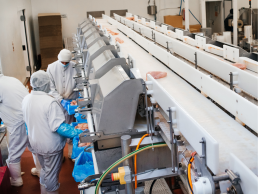
Chicken Slaughterhouse Workflow - Behind the fresh chicken meat you find in the market or supermarket, there is an organized and complex process at the chicken slaughterhouse. This place serves as a processing center specifically designed to ensure that every stage of chicken production meets hygiene and food safety standards. Modern chicken slaughterhouses are equipped with advanced facilities and supervised by trained professional staff, ensuring the quality of the product is maintained from the beginning to the end of the process. Not only that, the process is also designed to minimize environmental impact, making it more eco-friendly and sustainable.
The chicken slaughterhouse workflow begins with the reception of live chickens from farms that have met health criteria. These chickens are strictly inspected to ensure that none are sick or unfit for consumption. After passing the inspection, the chickens undergo a series of stages involving stunning, slaughtering, feather plucking, and cleaning of the internal organs. Each step is carried out using modern equipment designed to reduce stress on the animals while maintaining the quality of the resulting meat. All these processes are carried out under strict supervision to ensure the final product remains hygienic and meets quality standards.
In addition to efficiency in the this chicken slaughterhouse workflow, the chicken slaughterhouse also places great emphasis on hygiene and waste management aspects. Every production residue such as feathers and unused body parts is further processed to prevent environmental pollution. The environmentally friendly liquid and solid waste treatment systems help maintain the balance of the surrounding ecosystem. Chicken slaughterhouses are now able to integrate automation processes to enhance efficiency without compromising quality. All of this is done to ensure that the chicken meat that reaches the dining table is safe, healthy, and nutritious.
Industrial-Scale Chicken Slaughterhouse Workflow
 Receiving Live Chickens
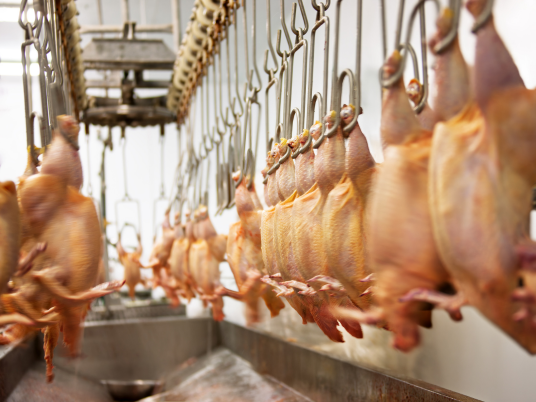
The first step of chicken slaughterhouse workflow; chickens originating from farms are delivered to the abattoir in a live condition. Upon arrival, chickens are visually and physically inspected by animal health officers to ensure that none are sick or unfit for consumption. Chickens that pass the inspection are placed in comfortable temporary cages to reduce stress before processing.
Stunning
This stage aims to render the chicken unconscious to reduce pain and stress during the slaughter process. Stunning can be done by electrical stunning or gas stunning, depending on the technology used in the slaughterhouse.
Slaughtering
This is the focus part of chicken slaughterhouse workflow; Once the chicken is stunned, the slaughter process begins with halal slaughter (if required). This process is carried out quickly and efficiently using automated or manual knives by trained labor. The blood of the chicken is allowed to drain off to preserve the quality of the meat.
Removal of Feathers (Scalding and Plucking)
The slaughtered chicken is placed in hot water (scalding) to loosen the feathers. Afterwards, the feathers are removed with a rotating plucker to thoroughly clean the chicken.
Internal Organ Removal (Evisceration)
The chicken that has been cleared of feathers is then split open to remove the internal organs. This process is done carefully to ensure that the internal organs are removed.
Cleaning and Inspection
Chicken that has gone through the evisceration process is cleaned again using clean, pressurized water. Inspection personnel thoroughly check to ensure the chicken meat is free from defects or contamination before proceeding to the next stage, the important step in chicken slaughterhouse workflow.
Chilling
After cleaning, the chicken is put into a cooling system, such as chilled water or air chilling. This process helps to rapidly lower the body temperature of the chicken to maintain freshness and prevent bacterial growth.
Cutting and Packaging
Whole chickens can be further processed into specific cuts, such as breasts, thighs, or wings, according to market demand. Afterward, the chicken meat is packed using airtight plastic or in sealed containers to maintain its quality.
Storage and Distribution
The packaged products are stored in specialized cold rooms before being distributed to customers, such as supermarkets, traditional markets, or restaurants. An efficient logistics system ensures that the chicken meat reaches consumers in the freshest condition.
Every step in chicken slaughterhouse workflow is designed to ensure efficiency, hygiene and food safety, so that the final product is of high quality and safe for consumption.
The Best Chicken Slaughterhouse in Bali
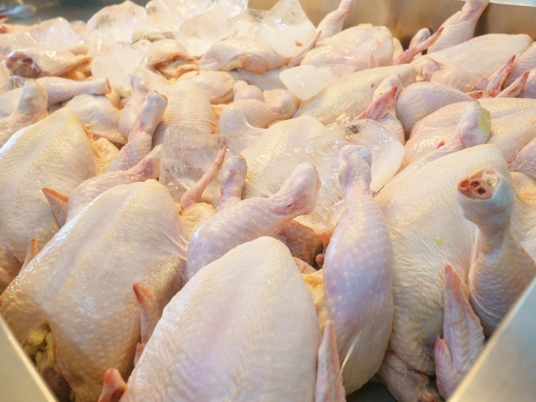 Efficiency and hygiene in chicken slaughterhouse workflow is the two main pillars that determine the success of a Bali chicken slaughterhouse in delivering quality products to consumers. With a structured work process and supported by modern technology, the chicken slaughterhouse is able to maximize every operational stage. Starting from stunning to packaging, each step is carried out with high precision to minimize production time without compromising meat quality. In addition, the use of automation systems and real-time monitoring further enhances efficiency while reducing the risk of human error.
From a hygiene perspective, a superior chicken slaughterhouse always adheres strictly to high cleanliness standards. All processes are carried out in a sterile environment and supervised by experts, ensuring the final product is free from contamination. In fact, the waste produced is processed with an environmentally friendly system to maintain the balance of the ecosystem. The combination of process efficiency and cleanliness not only meets consumer demand for fresh and healthy chicken meat but also supports sustainable industry practices.
One of the best examples in this industry is Happy Cix Bali, a chicken slaughterhouse that has set high standards in terms of efficiency and hygiene. With modern facilities and a commitment to quality, Happy Cix Bali is able to provide optimal service to customers. Not only do they provide premium quality chicken meat, but they also pioneer environmentally friendly waste processing. This excellence makes Happy Cix Bali a role model in the poultry slaughterhouse industry, as well as proof that efficiency and cleanliness in chicken slaughterhouse workflow can go hand in hand to produce the best products.

Cold Storage: Storage Processes in Chicken Slaughterhouses
What is Cold Storage?
Cold storage is a specially designed room or warehouse with controlled temperature and humidity to store various products, especially perishable products. Cold storage, also known as cold storage, is a facility that primarily stores food items that are short-lived and likely to spoil under normal conditions. More specifically, it is a room that is specifically designed to create certain temperature conditions, which aims to maintain the freshness of various types of products, especially foodstuffs.
Cold storage helps slow down the spoilage process and extend the shelf life of products. It serves as a storage place that maintains the quality and coolness of products, ensuring that they remain in optimal conditions for consumption or use. Thus, it not only keeps food products fresh, but also plays an important role in maintaining the quality and durability of the products, ensuring they remain safe and suitable for consumption or use.
How Does Cold Storage Work?
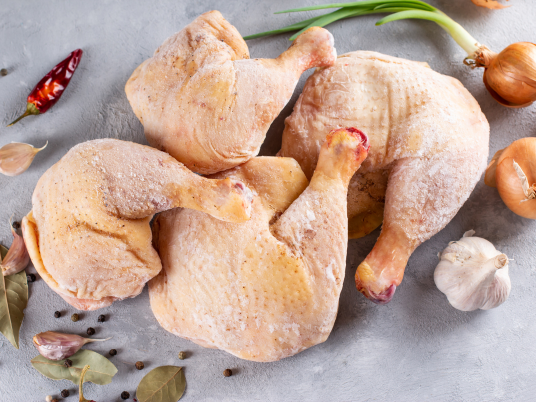 A cold storage industry or freezer warehouse, maintains a specific temperature using a complex refrigeration system. This system mainly consists of the following components:
- Coolant: This substance is found in refrigeration equipment, and it absorbs heat from the products stored in the warehouse, reducing their temperature. The coolant circulates through the system, constantly absorbing and releasing heat.
- Compressor: It compresses the coolant, which increases its temperature and pressure. The high-pressure gas then moves to the condenser.
- Condenser: Here, the high-pressure refrigerant gas releases heat to the outside environment and turns into a high-pressure liquid.
- Receiver: This component stores the high-pressure liquid coolant before sending it to the separator.
- Separator: This further reduces the pressure of the liquid coolant, which turns it into a low-pressure mixture of gas and liquid.
- Evaporator: In this final stage, the low-pressure coolant absorbs heat from the cold storage environment, and the cycle begins again.
- These components work in harmony to maintain the required low temperatures within the cold chain warehouse, ensuring the integrity and safety of the temperature-sensitive products stored within.
Cold Storage Functions
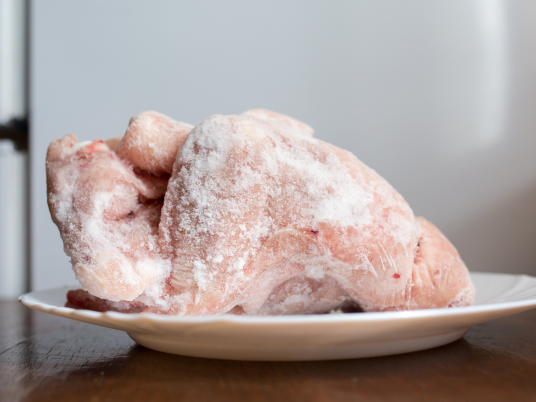 After we have understood the definition of cold storage before, now let's explore more about the various important functions it has. Cold chain, which is equipped with a cooling machine system, is not only a place to store food ingredients, but also has other roles that are no less vital, namely:
1. Seafood and Meat Storage
One of its main roles is to maintain the quality of seafood and meat. The low temperatures maintained in cold storage not only preserve the texture and nutrients of seafood and meat, but also prevent the development of harmful bacteria and microbes. This is especially important when products have to be shipped long distances or imported to different places, so that freshness is maintained until it reaches the consumer.
2. Storing Vegetables and Fruits
Apart from meat and seafood, this storage also plays a role in keeping vegetables and fruits fresh. The low temperature helps maintain the nutritional content and avoid damage to the texture of the product. Thus, fruits and vegetables remain delicious and nutritious when they reach your hands.
3. Industrial Material Storage
Cold storage is not only relevant for food, but also for other industries. For example, in the pharmaceutical industry, drugs and other raw materials require proper storage temperatures to maintain the stability of their active substances and effectiveness. These materials often have specific storage instructions to maintain their quality, and this storage is an ideal place to keep these medicines safe and effective.
4. Storing Vaccines
Cold storage is also important in the storage of vaccines, which require low temperatures to maintain their quality and effectiveness. Vaccines are often stored in cold chains to keep them safe.
Happy Cix Cold Storage
Cold storage is an indispensable modern solution in maintaining product quality, especially in the food industry such as chicken meat. With this system, the storage process can be carried out at the right temperature, extending the shelf life, avoiding damage, and ensuring the product remains fresh until it reaches consumers. This technology is an important part of the supply chain that supports food quality and safety.
Happy Cix Chicken Slaughterhouse has implemented cold storage as part of their production process. In its operations, Happy Cix ensures that every stage, from slaughtering to storage, uses modern standards that are oriented towards hygiene and efficiency. With cold storage, the chicken meat produced is not only maintained in good quality, but can also meet the needs of consumers in the best conditions.
Happy Cix success shows that investing in technology such as cold storage is not just an option, but a necessity for industries that want to remain competitive. Not only does it maintain product quality, it also supports better stock management and prevents wastage. Thus, cold chain becomes an important pillar in creating a sustainable production process that provides long-term benefits for both producers and consumers.
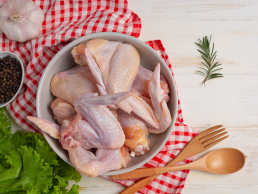
Best Chicken Wings Supplier for the Culinary Business
Chicken Wings Product
Chicken Wings Supplier - Chicken wings have become one of the popular and beloved dishes in various countries, especially in the United States. Usually, cut of wings are served in various distinctive flavors and sauces, ranging from spicy, sweet, sour, to savory. Its crispy exterior and tender interior make wings very suitable as a snack or main dish. Over time, wings have undergone many innovations in their presentation, so they are now available in various attractive and appetizing variants.
In general, wings have a uniqueness because they can be prepared in various ways, such as fried, grilled, or cooked using barbecue techniques. Each cooking technique imparts a different flavor; for example, fried chicken wings tend to be crispier, while those that are baked or grilled usually have a smokier and deeper aroma. The use of various types of sauces also enriches the flavor of this cut of chicken, ranging from traditional sauces like spicy Buffalo to sweet and creamy honey or cheese sauces. It's no wonder that this cut of chicken are often a favorite choice at fast food restaurants and during casual gatherings with family and friends. The demand for this cut of chicken has its own market, such as the culinary business. This requirement must be supported by the best chicken wings supplier for business.
Chicken Wings Frozen
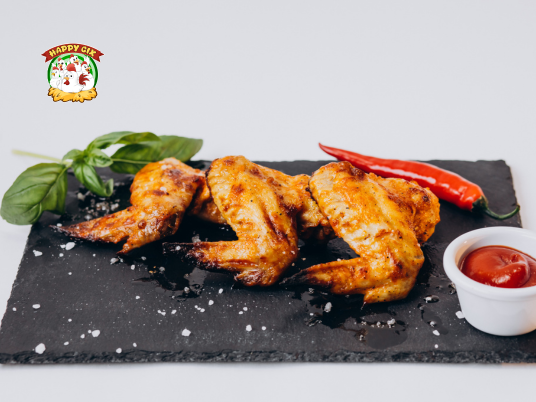 Frozen chicken wings have become a practical choice for many people who want to enjoy wings cut without the hassle of preparing raw ingredients. This product is usually available in various supermarkets with a variety of brands, flavors, and spices. In frozen form, this cut of chicken are generally seasoned and ready to be cooked, so they can be fried or baked directly without taking much time. The freezing process makes them long-lasting and ideal for storing for a considerable period in the freezer. For those who want to enjoy a delicious meal with minimal preparation, frozen wings offer an efficient and easy solution.
However, like all frozen foods, the quality and taste of frozen chicken wings greatly depend on the raw materials, freezing methods, and seasonings used by the producer. There are products that use natural spices with rich flavors, but there are also those that rely on preservatives and artificial flavors to maintain their shelf life. The texture of wings cut after being cooked from a frozen state can also differ from fresh wings; sometimes they are less crispy or a bit chewy. Therefore, for chicken wing enthusiasts who want the sensation of fresh this cut of chicken, it might be necessary to look for truly high-quality frozen products or try cooking techniques that can maximize crispiness.
In addition, frozen chicken wings come in various flavors, such as original, spicy, barbecue, or teriyaki, which adds to their appeal. This provides enough variety for consumers who want to try different flavors without having to prepare them from scratch. This product is not only suitable for home-cooked meals, but also for various casual events or small parties. With easy cooking methods and a wide variety of flavors, frozen wings allow everyone to enjoy delicious and practical dishes with customizable tastes.
Nutrients in Chicken Wings
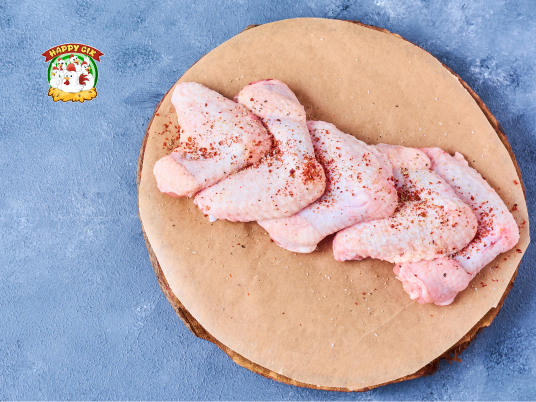 Chicken wings have a fairly diverse nutritional content, making them a good source of protein for the body. The protein in wings cut helps repair muscle tissue and supports the health of body cells. In one serving of this cut of chicken (about 100 grams without skin and bones), there are about 30 grams of high-quality protein, which can help meet daily protein needs, especially for those who are physically active or in a muscle-building program. In addition to protein, chicken wings also contain essential amino acids that are important for the body, such as lysine and arginine, which support the immune system and skin health.
Besides protein, this cut of chicken also provide several important vitamins and minerals, especially when consumed with the skin. Chicken skin is rich in healthy fats that can support bodily functions, although it should be consumed in moderation. Chicken wings contain B vitamins, such as niacin and riboflavin, which play an important role in energy metabolism, helping the body convert food into energy. Additionally, they contain minerals like phosphorus, which is beneficial for bone and dental health, and selenium, which plays a role in maintaining immune function. The iron and zinc content in wings cut also helps maintain energy levels and supports metabolic functions.
Nevertheless, it is important to pay attention to the processing methods of this cut of chicken so as not to diminish their nutritional value. Cooking chicken wings by grilling or boiling tends to be healthier than frying, as it reduces additional saturated fat content. Avoiding the use of high sugar or high sodium sauces also helps keep nutrition optimal. With proper preparation, chicken wings can be a delicious and nutritious food choice, providing beneficial nutrients for the body without compromising on taste.
Chicken Wings Supplier
In the food industry, especially for restaurants, catering, and other culinary businesses, having a reliable chicken wings supplier is one of the main factors in maintaining the quality of the offerings. A good supplier not only provides the best quality wings cut but also offers consistent service and timely delivery. In addition, a professional chicken wings supplier usually maintains strict food safety standards and complies with health regulations, thereby providing a sense of security and comfort for business operators and end consumers. This high-quality supply is very important, especially for dishes that emphasize the freshness and deliciousness of wings cut as the main attraction.
One of the prominent chicken wing suppliers in Bali is Happy Cix, a poultry slaughterhouse known for its product quality and professional service. Happy Cix maintains high standards of cleanliness and cutting, ensuring that every chicken product produced is safe and fresh when received by consumers. With an efficient distribution management system, Happy Cix is able to reach various culinary businesses in Bali, from small restaurants to star-rated hotels, by providing this cut of chicken and other chicken products in the best condition. Not only that, Happy Cix has also earned a reputation as one of the best in Bali due to its commitment to product quality and transparency in the cutting and packaging processes.
For business operators in Bali who prioritize quality and customer satisfaction, Happy Cix is a highly recommended supplier choice. With a good distribution network and responsive customer service, they are able to meet both large quantity needs and regular orders with consistent standards. This helps culinary businesses ensure that the chicken wings they serve remain delicious, fresh, and safe to consume. As one of the best chicken slaughterhouses in Bali, Happy Cix not only provides high-quality raw materials but also supports the sustainability of the culinary business through reliable services and high-quality products.
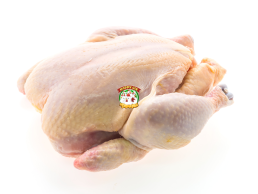
Chicken Skin: The Underrated Favorite Dish
Chicken Skin - Crispy, golden, and bursting with flavor, chicken skin is a culinary delight that has captured the hearts of food lovers worldwide. Once considered a humble by-product of poultry dishes, chicken skin has stepped into the spotlight as a beloved snack and ingredient in its own right. From street food vendors to upscale restaurants, its satisfying crunch and rich, savory taste make it a standout favorite for those who crave indulgent textures and bold flavors.
What sets skin of chicken apart is its incredible versatility. Whether fried to perfection, roasted until crispy, or infused with spices for an extra kick, this seemingly simple ingredient has the power to transform any dish into a gourmet experience. Its ability to soak up seasonings and deliver a punch of umami ensures it complements a variety of cuisines, from the fiery sambals of Southeast Asia to the creamy dips of the Mediterranean. Even in its simplest form, lightly salted and fried, chicken skin offers a pure, unpretentious indulgence that’s hard to resist.
Beyond its culinary appeal, this skin holds a nostalgic charm for many. For some, it recalls memories of sneaking crispy pieces from a plate of roasted chicken as a child. It’s a reminder of comforting family meals or favorite street food snacks. While it may be a guilty pleasure for some, its ability to bring joy and satisfy cravings makes skin an unforgettable treat that transcends cultural boundaries.
Tasty but Underrated
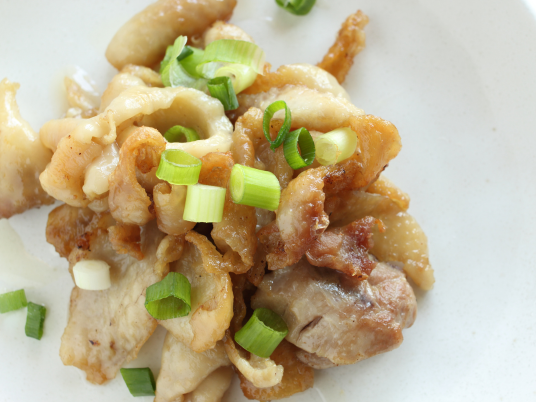 The tastiness of chicken skin lies in its unique combination of flavor and texture. Its high fat content makes it rich and savory, with a naturally occurring umami flavor that enhances every bite. When cooked, the fat renders out, creating a crispy exterior while retaining just enough moisture to make it satisfyingly tender inside. The Maillard reaction, a chemical process that occurs during high-temperature cooking, gives chicken skin its golden color and deep, complex flavors. This crispiness, paired with a slightly chewy undertone, makes it a sensory delight that’s hard to replicate with other foods.
Despite its incredible flavor, skin of chicken remains underrated, often dismissed as an unhealthy indulgence. For years, dietary trends have demonized fatty foods, leading many to shy away from this delectable treat. Furthermore, its role as a by-product in many cuisines means it’s often overlooked or discarded. Yet, this humble ingredient has so much to offer when given the spotlight. Whether as a snack, topping, or a key component in gourmet dishes, chicken skin proves that simplicity and bold flavor can go hand in hand. It’s a hidden gem waiting to be appreciated by food enthusiasts around the world.
Different Ways to Cook Chicken Skin
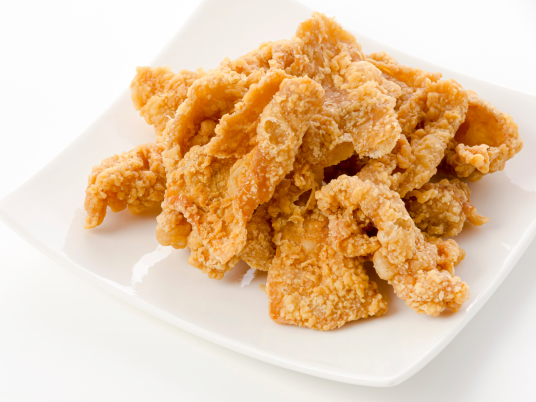 Crispy Perfection: Deep-Fried Chicken Skin
Deep frying is one of the most popular and indulgent ways to prepare chicken skin. The process involves rendering out the fat while creating a golden, crunchy exterior that shatters with every bite. Often seasoned with a simple blend of salt and pepper, or coated in a flavorful spice mix, fried chicken skin is a snack that’s hard to resist. For an extra layer of decadence, some variations dip the skin in batter before frying, resulting in a puffier, crispier texture. Served hot and fresh, it’s a street food favorite that pairs beautifully with dips like tangy barbecue sauce, spicy sambal, or creamy aioli.
Oven-Baked Goodness
For those looking for a slightly healthier option without sacrificing flavor, oven-baked chicken skin is a fantastic alternative. By spreading the skin flat on a baking sheet and roasting it at high heat, the fat slowly renders out, leaving behind a crispy and light snack. Baking also allows for more experimentation with seasoning think garlic powder, smoked paprika, or even a touch of honey for a sweet and savory twist. This method produces a crisp, golden skin that retains a natural, unprocessed taste, making it ideal for adding texture to salads, soups, or bowls of steamed rice.
Fusion Flavors: Chicken Skin as a Recipe Component
Skin of chicken isn’t just a standalone snack it shines as a key ingredient in fusion cuisine. In Southeast Asia, it’s often grilled or fried and used as a topping for noodles or rice dishes, adding a satisfying crunch. In Japanese yakitori, skewered chicken skin is grilled over charcoal, basted with a sweet and savory tare sauce for a smoky and caramelized finish. Meanwhile, modern chefs have begun incorporating crispy chicken skin into dishes like gourmet tacos, where it complements creamy avocado and zesty salsas. Whether as a crispy garnish or the star of the plate, chicken skin adapts effortlessly to a variety of culinary styles, proving its versatility and potential.
Supply Chicken Skin for Culinary Business
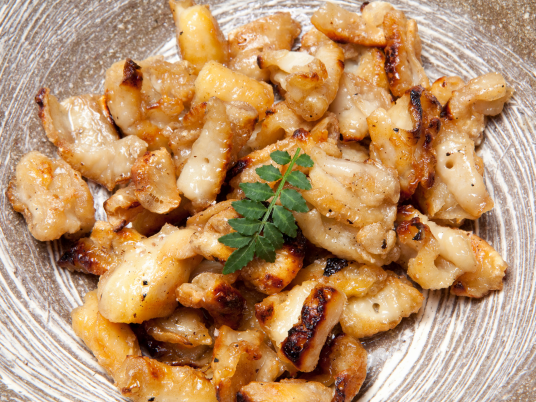 Chicken skin supply for your culinary business requires the right strategy so that the quality of your raw materials is guaranteed and the procurement process is efficient. The first step is to work with a trusted supplier, such as a chicken slaughterhouse or poultry meat distributor. Choose a supplier that is able to provide chicken skin in large quantities as needed, with consistent quality. It is important to ensure that the chicken skin is free from feather residue, clean and fresh, as the quality of the raw materials will greatly affect the taste and appeal of the culinary products produced.
In addition to choosing a supplier, pay attention to legality and food safety aspects. Make sure the supplier has certifications that guarantee the processing process is carried out according to hygiene and health standards. In this context, chicken slaughterhouses such as Happy Cix are a recommended choice. Happy Cix provides various types of chicken pieces, including high-quality chicken skin, which are perfect for meeting the needs of your culinary business. With experience and a good reputation in the field, Happy Cix ensures that every product they produce meets quality and hygiene standards.
Having a supplier like Happy Cix also helps improve the operational efficiency of your business. With a stable supply of chicken skin, you can focus more on menu innovation and business development. In addition, Happy Cix offers flexibility in fulfilling customer requests, ranging from quantities to specific types of pieces. This is especially beneficial for culinary businesses that want to highlight the uniqueness of their products, such as chicken skin chips, chicken skin-based soups, or other fried dishes.
Chicken Breast vs Other Cuts: Which is the Most Nutritious?
Chicken Breast
Chicken Breast - In the culinary and health world, chicken has become one of the most popular sources of animal protein. Various parts of the chicken are often processed into delicious dishes, but not all parts have the same nutritional content. Chicken breast is often considered the primary choice for those seeking a protein-rich and low-fat meal, especially among fitness enthusiasts and dieters. However, how does the nutritional content of chicken breast actually compare to other parts like the thighs, wings, or skin?
Each part of the chicken has its own nutritional advantages that make it unique. Chicken breast, for example, is known for its high protein content with relatively low fat. Meanwhile, other parts like the thighs have a richer flavor and higher fat content, which also provides additional energy. Similarly, chicken wings, which are often a favorite at the dining table, usually contain more fat because they are often cooked with their skin. Therefore, it is important to understand the nutritional differences among these parts of the chicken, especially if you want to choose the one that best suits your dietary and health needs.
This article will delve deeply into the nutritional content of each part of the chicken, from the breast, thighs, to the wings, to provide a clear picture of which is the most nutritious. By understanding the nutritional composition contained in each part, you can make food choices that are not only delicious but also support your body's health. Let's delve deeper into the nutritional comparison of each part of the chicken!
The Reason Why Chicken Breast is So Popular
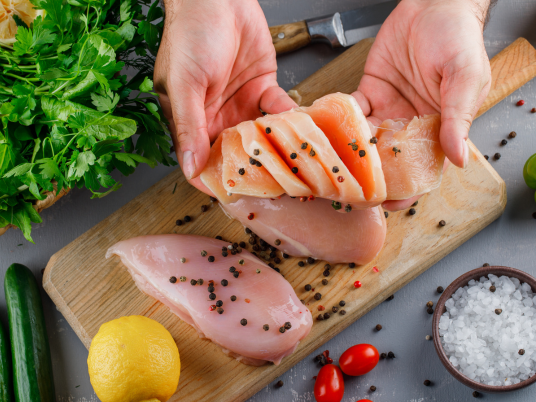 Chicken breast nutritions has long been the star among various types of animal protein sources. Whether among athletes, fitness enthusiasts, or those following a healthy diet, chicken breast often becomes the primary choice. This is not only because of its neutral taste and ease of preparation, but also due to its outstanding nutritional content. Rich in high-quality protein and low in fat, breast cuts is considered an ideal food for supporting muscle growth and maintaining weight.
In addition, chicken breast offers flexibility in preparation, making it one of the most versatile food ingredients. It can be grilled, boiled, or stir-fried, chicken breast is easily adaptable to various types of dishes from different cultures. The combination of health benefits and deliciousness makes it increasingly popular among many people. Even in the modern culinary world, chicken breast is often used as a base ingredient to create innovative menus that remain nutritious.
The popularity of chicken products is not without reason. Basically, the scientific reasons that make chicken breast stand out compared to other protein sources. The low saturated fat content helps maintain heart health, while the abundant protein keeps the body energized and fit. This article will further explain why chicken breast has become a favorite among various groups, whether for health reasons, taste, or flexibility in cooking.
Content of Chicken Breast
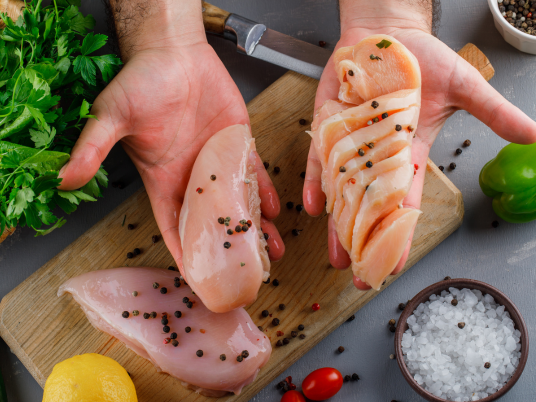 There skinless chicken contains about 31 grams of protein and 3.6 grams of fat per 100 grams, making it a high-quality protein source. This makes it an ideal choice for building muscle and supporting the body's energy, while being rich in vitamin B6, niacin, phosphorus, and selenium which act as antioxidants. The nutritional advantages of chicken breast over other parts;
High Protein
There are about 31 grams of protein in 100 grams of skinless chicken breast, making it an ideal choice for a high-protein diet.
Low Fat and Calories
Chicken breast contains only about 3 grams of fat and 165 calories per 100 grams, which is lower than thighs or wings.
Low Cholesterol
Suitable for maintaining heart health due to its lower cholesterol content.
Rich Nutrients
Contains Vitamin B6, niacin, phosphorus, and selenium which are important for metabolism, bone health, and immunity.
Tekstur Texture and Versatility
The texture is dense and soft, suitable for dishes such as grill, stew, or roast.
Low Fat Omega-6
Chicken breasts contain less Omega-6 fats than other parts such as thighs and skin.
Chicken breast is the best choice for a low-fat, high-protein, low-calorie diet, while other parts such as thighs are more suited for flavor due to their fat content.
Another plus point of breast cut is its flexibility in the diet. For those on a high-protein diet, such as the keto diet or an athletic diet, chicken breasts are a top choice as they provide high protein without adding much fat. In contrast, body parts such as thighs are preferred by those who want a fattier look and taste. Thus, the selection of chicken parts depends on one's nutritional needs, taste preferences and dietary goals. Understanding the content of each chicken cut helps us make better decisions for our health while enjoying our food optimally.
Chicken Breast Fillet
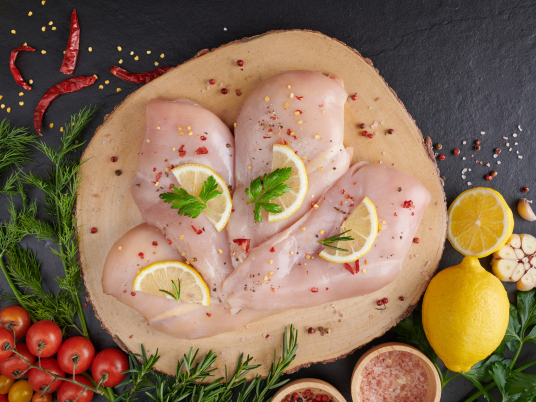 Chicken breast fillet has become one of the most popular food products in the modern market, both among home cooking lovers and culinary business players. This product is a boneless and skinless chicken breast cut, which offers ease of processing while ensuring its nutritional content remains optimal. Chicken breast fillet are often chosen because they are practical and flexible for various types of cooking, from healthy menus such as chicken salad to flavorful dishes such as seasoned grilled chicken. Its popularity is increasing along with the trend of a healthy lifestyle that emphasizes the consumption of low-fat and high-protein foods.
One of the reasons why chicken fillet are a favorite is because of their versatility. This cut is easily adaptable to a variety of cuisines from different cultures, be it grilled, boiled, fried, or even used as a bread filling. Moreover, the nutritional content of chicken breast fillet, which is rich in high-quality protein with minimal fat content, makes it highly desirable for those on a diet or exercise program. In the market, this product is available in various forms, ranging from fresh to frozen, giving consumers plenty of options. Chicken fillet is not just a food ingredient, but also a practical solution for a healthy and efficient lifestyle.
Chicken Meat Supplier in Bali
Choosing the best chicken supplier is an important step to ensure the quality of the dishes you serve, whether for your household or culinary business. In Bali, with the high demand for quality food ingredients, it is important to work with a supplier that has a good reputation, excellent products, and professional services. Happy Cix has proven itself as one of the best suppliers in this field, offering fresh, hygienic, and high-standard chicken products for customers' needs.
If you or even your culinary business is looking for a reliable partner for your chicken needs, Happy Cix is the right choice. With years of experience and commitment to quality, Happy Cix is able to answer the needs of various scales, from individuals to large businesses. Make Rumah Potong Ayam your solution for quality chicken supply in Bali, and enjoy the convenience and benefits they offer. Customers not only get the best products, but also a reliable partner for the long term.
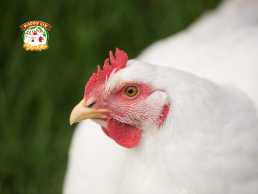
Broiler Chicken Favorite Type of Slaughter Chicken
What is a Broiler Chicken?
Broiler chickens are a special breed of chicken bred to produce meat in a relatively short time. This chicken is the result of genetic selection, so it has the ability to grow quickly and has an ideal weight for slaughter at the age of 5 to 7 weeks. The characteristic of broiler chickens is that their body is fatter and denser than other chicken breeds, with more meat on the breast and thighs. This makes it the top choice in the commercial poultry industry to meet the growing demand for chicken meat in the global market.
In the rearing process, broilers are usually raised in intensive farming systems that are strictly regulated to ensure optimal growth. Cage environment, high-quality feeding, and health management are important factors for broilers to reach harvest weight quickly without experiencing serious health problems.
Therefore, broilers have become the backbone of the chicken industry due to their high meat production efficiency, short rearing time, and good feed conversion rate. Let's get to know better how this chicken meat became so popular, and what is involved from its benefits to its circulation in the market. Know the role of chicken suppliers in maintaining the quality of their products in the market.
Benefits of Chicken Broiler
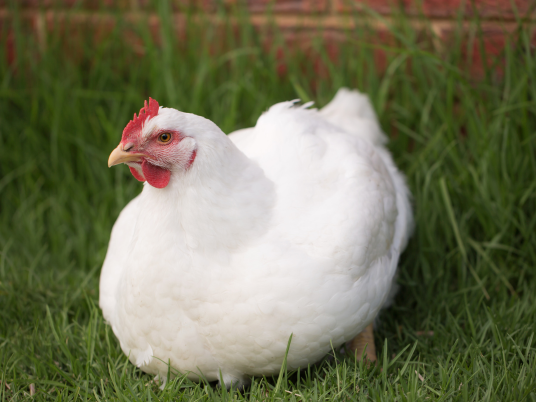 Broiler chicken meat is extremely nutritious, making it one of the most popular sources of animal protein worldwide. In every 100 grams of broiler meat, there are about 20-25 grams of high-quality protein, which is essential for growth, tissue repair and muscle function. It is also rich in B-complex vitamins, especially vitamins B6 and B12, which play a role in maintaining a healthy nervous system and energy production. Minerals such as iron, phosphorus and zinc also make broiler meat beneficial for bone health and immunity.
One of the main advantages of broiler meat is the low fat content, especially in the breast, which is a favorite choice for those who maintain a healthy diet. The fat in broiler meat is also more manageable than red meat such as beef or mutton, as most of the fat can be easily separated during processing. In addition, broiler meat tends to be low in cholesterol, making it a good alternative for individuals looking to reduce their saturated fat intake and maintain a healthy heart.
Broiler chicken meat also excels in terms of ease and speed of processing. Due to its soft texture, it is easy to cook with a variety of methods, such as grilling, boiling or frying, making it suitable for many different types of dishes. In addition, its abundant availability and relatively affordable price make broiler meat an economical choice for many households and food industry players. The combination of high nutritional content, excess nutrients, and flexibility in processing makes broiler chicken meat a favorite in many kitchens.
Broiler Chicken Price
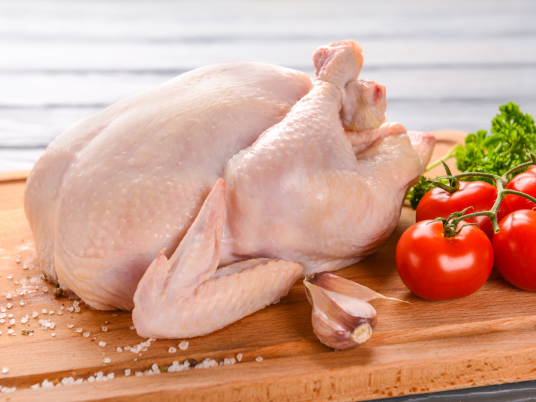
The price of chicken broiles today, including broiler meat, is difficult to ascertain as it is subject to frequent fluctuations influenced by many dynamic factors. These changes can occur in a matter of days or even hours, depending on the supply conditions on the farm, the weather, as well as the level of demand in the market. This instability is also triggered by the erratic feed and operational costs of farmers, which ultimately impacts the selling price of chicken meat in the market. Therefore, prices listed in traditional markets or supermarkets often vary across regions, making it difficult for consumers to predict the exact figures from day to day.
Broiler chickens, as one of the main sources of meat, also experience fluctuating price movements. Price increases often occur when demand rises sharply, such as ahead of holidays or when supply is limited due to distribution or animal health issues. However, prices can drop dramatically when chicken production is abundant or consumption is reduced, for example when people's purchasing power declines. Therefore, consumers and traders need to pay attention to price dynamics regularly to anticipate rapid and unexpected changes.
Broiler Chicken Product on the Market
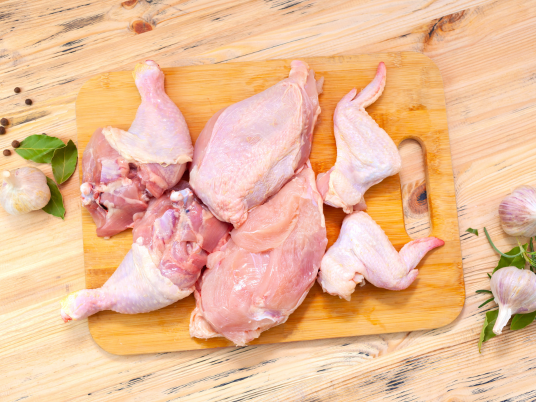 Broiler chicken is the most common type of broiler sold in various places such as supermarkets, vegetable stores, traditional markets, and fresh markets. It has fast growth and more tender meat than native chickens, making it a top choice for consumers looking for a source of animal protein at a relatively affordable price. In modern supermarkets or fresh markets, broiler chicken is usually neatly packaged in plastic or special containers, labeled with nutritional information, weight, and expiration date, making it convenient for shoppers who want a hygienic and ready-to-cook product.
In traditional markets or vegetable shops, broiler chickens are often sold in simpler forms, either in pieces or whole. Prices at these places tend to be more flexible as transactions can be bargained for. At markets, buyers can also often choose freshly slaughtered chicken to ensure quality and freshness. With its availability in these various places, broiler chicken is a product that is very accessible to people from various economic levels.
The availability of broiler chicken meat in the market is inseparable from the important role of the best chicken suppliers who ensure a consistent supply of high-quality chicken. These suppliers ensure the distribution of chicken runs smoothly, from the farms to various points of sale such as supermarkets, traditional markets, vegetable stores, and fresh markets. The best chicken suppliers maintain the supply chain and ensure that the chicken remains fresh during the journey, so that consumers can get healthy, fresh, and consumable products whenever needed.
Chicken Supplier in Bali
Chicken Supplier in Bali is a high-quality chicken meat provider that caters to various market needs in Bali, ranging from restaurants, hotels, to local markets. This supplier is known for providing fresh broiler chickens produced from farms with high health standards, ensuring every piece of chicken distributed is safe, clean, and of high quality. In addition, they also offer a wide selection of chicken products, such as whole chickens, chicken pieces, and ready-to-cook processed products, meeting the needs of consumers with high quality standards.
The role of Chicken Suppliers in Bali is crucial in maintaining a stable supply of chicken meat on the island, which is a popular tourist destination. They ensure efficient distribution to various points, ranging from tourist areas to traditional markets, while maintaining product freshness through strict cold chain management. The existence of a reliable supplier like this makes it easy for culinary businesses and household consumers in Bali to get quality, fresh, and available chicken meat whenever needed.
Happy Cix is a chicken supplier in Bali known for the quality and reliability of its products. With years of experience in the industry, Happy Cix offers fresh and high-quality broiler meat. Their commitment to hygiene and food safety makes every piece of chicken supplied meet the highest standards. Friendly and responsive customer service and an efficient delivery system make Happy Cix the number one choice for restaurants, hotels, and homes in Bali looking for the most consistent and reliable chicken supply.
Frozen Chicken: Simple and Healthy Solution
Frozen Chicken Product
Frozen chicken is an innovation in the food world, which makes it easier for chicken to be an alternative choice for consuming fresh chicken at any time. Basically, frozen chicken is safe for consumption because it has gone through a process according to applicable standards. Every year, the poultry industry is growing rapidly as a source of animal protein to fulfill the need for nutritious food. One of the products favored by Indonesians from the poultry industry is chicken meat.
When compared to other animal meats, such as beef, chicken meat is quite cheap, making it a popular choice to fulfill protein needs on a daily basis. In addition, chicken meat has many healthy nutrients that are good for health. Broiler chicken is the most commonly eaten type of chicken. Some chicken meat suppliers such as industrial-scale chicken slaughterhouses currently provide frozen chicken products with the aim that people receive chicken meat that can be stored for a longer time than fresh chicken.
Frozen chicken meat is very profitable for suppliers because it can be marketed when supply is limited and when the price is high frozen meat can be used as a solution. Information about frozen chicken circulating in the community seems inaccurate. So it is not surprising that there are still parties who think that frozen chicken is not suitable for consumption. The tendency to consume fresh chicken compared to frozen chicken is a big challenge for the poultry industry to always socialize this difference in public opinion.
Benefits of Frozen Chicken
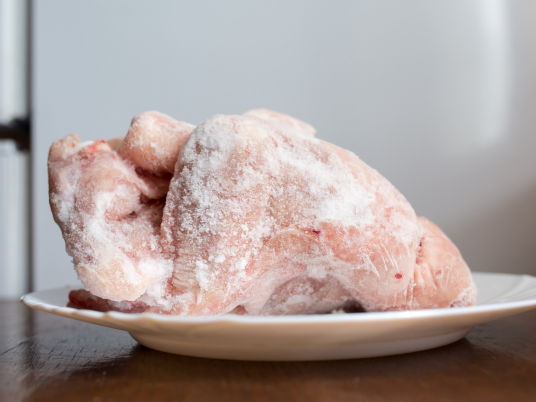 There are plenty of frozen chicken supplies available, but some people complain that frozen chicken is not as good as fresh chicken in terms of flavor, texture, and freshness. The difference between fresh chicken and frozen chicken may not be obvious, depending on how it is frozen. In terms of nutrition, there is very little difference between fresh chicken and properly frozen chicken. Chicken is generally a healthier substitute for red meat as it contains less saturated fat. Chicken is also a great source of protein, iron, vitamins A, B, and K, niacin, and minerals such as selenium, all of which play an important role in the normal function of cells and the maintenance of your immune system.
It is important to note that the perception that fresh chicken meat is healthier than frozen chicken meat could stem from the belief that frozen meat is processed meat, which is usually loaded with sodium and other unhealthy preservatives. However, frozen chicken meat does not require preservatives as the low temperatures prevent the growth of microorganisms that cause spoilage. The main difference between fresh chicken and frozen chicken is the storage period. Fresh chicken should be stored in the refrigerator for no more than two days before consumption, while frozen chicken can be stored in the freezer. Fresh chicken can also be kept longer if frozen at home, but this can cause the chicken meat to lose many nutrients.
Chicken Product
Industrial-scale processed chicken products include various types of food produced by utilizing chicken meat as the main ingredient. These products are produced in large quantities and generally go through processing, preservation, and packaging processes that meet food industry standards. Here are a few examples of the types of industrial-scale processed chicken products commonly found in the market:
1. Fresh Cut-Chicken and Frozen Chicken
Fresh-cut chicken: Chicken that has been cut into pieces according to certain standards (breasts, thighs, wings, etc.) and sold fresh. Frozen chicken: Whole or cut-up chicken that has been frozen to extend the shelf life.
2. Chicken Sausage
Chicken sausage is one of the most popular processed chicken products. Chicken meat is ground and mixed with seasonings and binders, then wrapped in a casing (sausage skin). This product is available in fresh, frozen or ready-to-eat form..
3. Chicken Nugget
Chicken nuggets are made from chicken meat that is processed into minced meat batter, seasoned, then shaped, breaded, and fried or frozen. They are often sold in ready-to-fry or ready-to-cook form.
4. Chicken Corned
Chicken corned is made from chicken meat preserved by salting and other preservation methods. This product is generally packaged in cans and sold in ready-to-cook form.
5. Ground Chicken
Ground chicken is a processed product of pulverized boneless chicken meat. This product is used as a base for various dishes such as meatballs, burger meat, and other food fillings.
6. Chicken Meatballs
Chicken meatballs are meat balls made from ground chicken meat mixed with spices and flour. These meatballs are often consumed in soupy or fried dishes as a snack. Each of these processed products is generally produced on a large scale to meet the demands of the retail market or export market.
Chicken Slaughterhouse
 Industrial-scale chicken slaughterhouses play a crucial role in producing, preserving, storing and marketing frozen chicken in the food supply chain. Through efficient processing and advanced technology, they can ensure good product quality, meet the needs of domestic and foreign markets, and expand distribution to various regions.
Modern industrial-scale chicken slaughterhouses use advanced technology to produce frozen and processed chicken according to market demand. The slaughtering process is automated and hygienic, from the separation of chicken parts to blast freezing, which maintains the freshness of the meat. With large cold storage facilities, the quality of frozen chicken is maintained until it is ready to be distributed to various markets.
In addition to frozen chicken, the slaughterhouse also produces processed products such as chicken nuggets, sausages and meatballs. Flexible production allows them to adjust product variations to market trends. Supported by halal certification and international food safety standards, the slaughterhouse ensures all products are safe, high quality, and meet consumer needs.
The Best Chicken Supplier in Bali
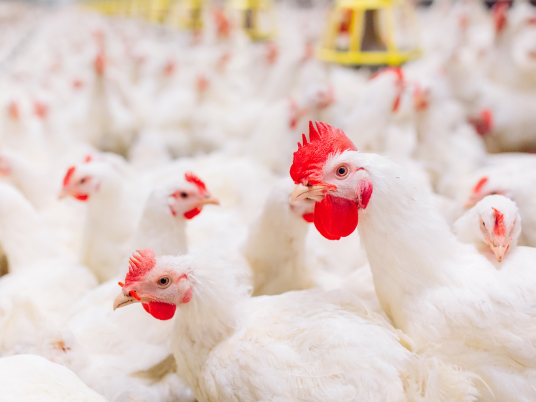 The best slaughter chicken suppliers in Bali play an important role in ensuring a quality and safe supply of chicken for consumers. They guarantee that the chicken is slaughtered to high hygiene and health standards, as well as meeting halal certification which is important for most consumers in Indonesia. In addition, they work closely with modern chicken slaughterhouses to ensure that fresh, high-quality products can be distributed on time to markets, restaurants, and hotels throughout Bali.
In addition to maintaining quality, the best slaughter chicken suppliers also play a key role in maintaining smooth distribution, ensuring chicken stock is available as per customer requirements. With adequate storage facilities and good distribution networks, they are able to guarantee products arrive in optimal conditions. These suppliers are also flexible in meeting the diverse needs of the local market, ranging from fresh chicken meat to processed products according to consumer demand.
One of the best recommendations for broiler suppliers in Bali is Happy Cix. They are known for maintaining product quality with strict hygiene standards and responsive service to market needs. Happy Cix provides fresh and frozen chicken, as well as processed products, which can be relied upon by various market segments, ranging from restaurants to major hotels in Bali.