

Quality Control for Chicken Slaughterhouse
The Importance of Quality Control in the Chicken Industry
Quality Control for Chicken Slaughterhouse - The poultry industry continues to play a vital role in Indonesia’s food sector, particularly in Bali where tourism and culinary businesses demand high standards. As health awareness grows among consumers, so does the importance of implementing effective quality control in every step of poultry production—especially in the slaughtering process.
This article will explore how quality control for chicken industry operations should be managed, what businesses should look for in a chicken slaughterhouse in Bali, and why working with a trusted chicken supplier in Bali is essential for long-term success.
What is Quality Control in a Chicken Slaughterhouse?

Quality control in a chicken slaughterhouse refers to a series of processes and checks designed to ensure the poultry meets food safety standards, hygiene regulations, and customer expectations.
Key objectives of quality control include:
- Ensuring the meat is free from contaminants and pathogens.
- Maintaining humane slaughtering practices.
- Verifying compliance with national and international food safety regulations.
- Preserving freshness, texture, and nutritional value of chicken meat.
Core Elements of Quality Control for Chicken Industry
To ensure top-tier results in the poultry sector, businesses must pay attention to the following quality control pillars:
1. Animal Welfare Compliance
Quality starts before the slaughter process begins. Ethical handling of live chickens—such as proper transportation, minimal stress, and clean holding facilities—directly impacts meat quality.
2. Hygienic Slaughter Process
A high-quality chicken slaughterhouse in Bali should implement hygienic slaughtering methods. This includes:
- Sterilized tools and equipment.
- Clean and temperature-controlled facilities.
- Trained workers using sanitary techniques.
3. Cold Chain Management
Post-slaughter, maintaining a continuous cold chain is crucial. From chilling rooms to delivery trucks, every step must keep poultry at the right temperature to prevent bacterial growth.
4. Microbiological Testing
Routine lab tests for bacteria such as Salmonella and E. coli are essential. These tests verify that the quality control for chicken industry is being enforced consistently.
5. Traceability and Documentation
A reliable chicken supplier in Bali ensures every batch of chicken is traceable—from farm to fork. Proper labeling, date stamping, and digital records enable better accountability.
What to Look for in a Chicken Slaughterhouse in Bali

For food businesses, hotels, and catering services in Bali, choosing the right chicken slaughterhouse in Bali is a critical decision. Here are the traits to prioritize:
- Certified Facility: Look for slaughterhouses with HACCP, ISO, or local health certifications.
- Consistent Product Quality: Chicken should always arrive fresh, clean, and safely packaged.
- Flexible B2B Services: Custom cuts, specific weight ranges, or halal-certified options should be available on request.
- Professional Customer Support: A strong partner offers logistics, consultation, and prompt service.
Trusted Chicken Supplier in Bali: Why Choose Happy Cix?
When it comes to applying world-class quality control for chicken industry, Happy Cix sets the benchmark in Bali. As a fully licensed chicken supplier in Bali, Happy Cix operates its own certified slaughterhouse and maintains total oversight of the production chain.
What makes Happy Cix stand out:
- Strict Quality Control Procedures: From pre-slaughter inspections to final delivery, each step follows stringent guidelines.
- Cold Chain Logistics: Their distribution network guarantees freshness and hygiene from facility to customer.
- Sustainable & Ethical Practices: Happy Cix is committed to animal welfare and eco-friendly operations.
- Tailored Solutions for Businesses: Whether you need high-volume orders or specialty cuts, Happy Cix delivers reliably.
Quality Control is the Foundation of Trust

In the fast-growing culinary and hospitality market of Bali, product safety and consistency are not optional—they’re essential. Proper quality control in every chicken slaughterhouse in Bali ensures that consumers receive healthy, delicious, and ethically sourced chicken.
If you’re looking for a reliable, certified, and experienced chicken supplier in Bali, look no further than Happy Cix. Their commitment to excellence and quality makes them the go-to choice for businesses that don’t compromise on standards.

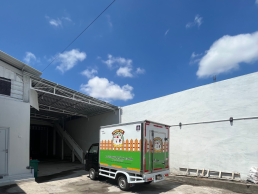
NKV Certification for RPA: A Key of Consumers Trust
What is NKV?
RPA - In the chicken supply industry, the reputation and quality of a poultry slaughterhouse (RPA) must meet specific requirements, such as halal certification and NKV. Have you ever heard of NKV? NKV, or Nomor Kontrol Veteriner (Veterinary Control Number), is a certificate issued by the Indonesian government to animal slaughtering facilities that have met strict hygiene and food safety standards. This certification ensures that animal products are safe for consumption and comply with veterinary public health requirements.
In the poultry slaughterhouse industry, obtaining an NKV certificate signifies a company’s commitment to product quality and hygiene. For example, PT Tulus Ayu Pangan Lestari successfully renewed its NKV certificate, reaffirming its dedication to maintaining cleanliness and safety standards in poultry carcass production. Likewise, RPA Happy Cix, a business unit of PT Tulus Ayu Pangan Lestari, has obtained Level 1 NKV certification—the highest level—indicating its eligibility for export. Additionally, the company holds Halal certification and ISO 22000, further emphasizing its commitment to international standards in poultry meat production and processing. This achievement indirectly proves that their production processes comply with animal health and sanitation standards set by the government.
Overall, NKV certification serves as a guarantee for consumers that the poultry meat they consume has been processed under strict hygiene and safety standards, meeting the veterinary public health requirements established by the Indonesian government.
The Importance of NKV for Poultry Slaughterhouses
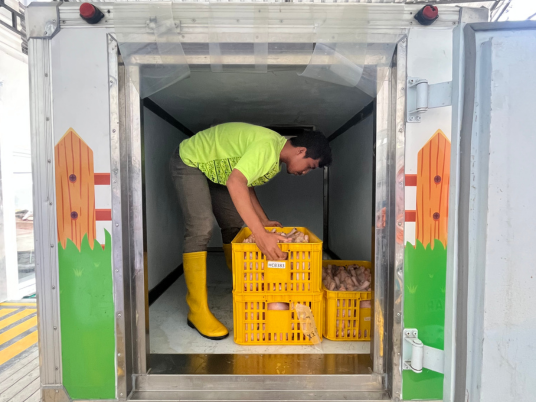 The Veterinary Control Number (NKV) certificate plays a crucial role in the poultry slaughterhouse industry, including for companies like Happy Cix from PT Tulus Ayu Pangan Lestari. This certification serves as proof that poultry slaughtering facilities have met hygiene, food safety, and animal welfare standards in accordance with government regulations. By obtaining NKV certification, a poultry slaughterhouse can ensure that every stage of production, from slaughtering to distribution, is conducted under hygienic conditions and aligns with veterinary public health principles. This is essential in guaranteeing that the products are safe for consumption while reducing the risk of disease transmission from animals to humans.
For companies like Happy Cix's RPA, possessing an NKV certificate also enhances credibility and customer trust—both from end consumers and business partners such as restaurants, supermarkets, and processed food industries. This certification serves as an indicator that their poultry meat production undergoes stringent supervision by relevant authorities, particularly concerning sanitation and waste management. Additionally, since NKV standards align with national and international food regulations, certified companies have greater opportunities to expand their market reach, including the potential for exports.
Furthermore, NKV certification helps boost a company’s competitiveness in the increasingly demanding poultry slaughter industry. By adopting higher operational standards, slaughterhouses can optimize production efficiency, reduce the risk of cross-contamination, and ensure better poultry meat quality. This certification is often a prerequisite for companies seeking partnerships with major distributors or obtaining additional certifications, such as Halal and ISO 22000. Therefore, for Happy Cix and similar businesses, holding an NKV certificate is not only a regulatory compliance measure but also a strategic business move that supports growth and sustainability in the food industry.
RPA in Bali
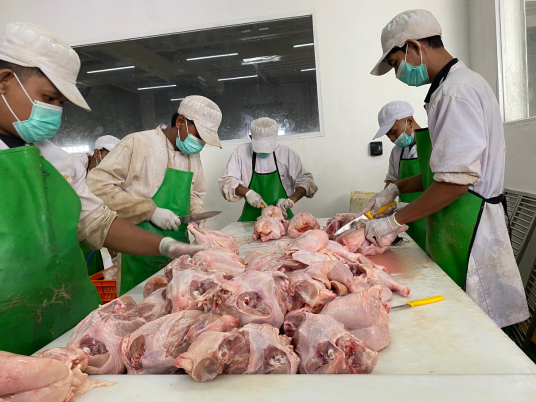 In Bali, the presence of poultry slaughterhouses (RPA) with Halal and Veterinary Control Number (NKV) certifications is essential in ensuring the safety and quality of poultry meat in the market. The Halal certification guarantees that the slaughtering process complies with Islamic law, allowing Muslim consumers to consume the products with confidence. Meanwhile, NKV is a government-issued certification that verifies poultry slaughterhouses meat hygiene, animal health, and food safety standards. By holding both certifications, poultry suppliers can assure that their products are not only safe but also of high quality and in compliance with prevailing regulations.
One such chicken supplier in Bali that meets these standards is Happy Cix, a subsidiary of PT Tulus Ayu Pangan Lestari. As an RPA operating with Halal and NKV certifications, Happy Cix ensures that every stage of the poultry slaughtering process prioritizes cleanliness, animal welfare, and the quality of the produced meat. With these standards in place, customers—including restaurants, hotels, and the culinary industry—can trust the products they purchase. This also guarantees that the poultry meat distributed to the market has undergone a hygienic process and is safe for public consumption.
The presence of certified slaughterhouses like Happy Cix also contributes to the overall improvement of Bali’s poultry industry. With RPA Halal and NKV standards, the industry becomes more professional and competitive in a broader market, including potential expansion into the export sector. Moreover, these regulations support government efforts to maintain public health by ensuring the availability of high-quality poultry meat products. Therefore, poultry suppliers in Bali must obtain these certifications to operate legally, gain consumer trust, and meet market demands while adhering to established standards.