
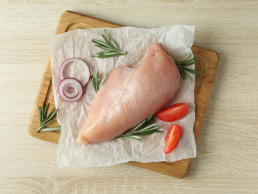
Chicken Breast Fillet: A Simple Choice for Multiple Cuisines
Definition of Chicken Fillet
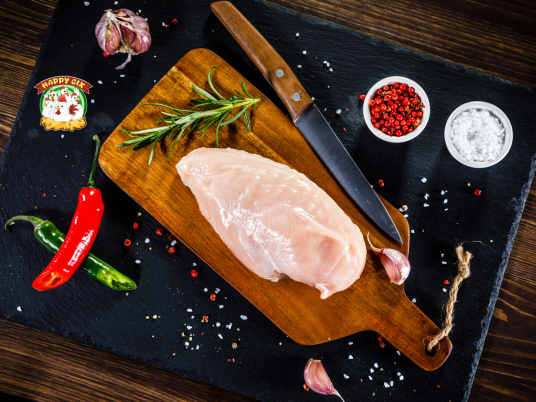
Chicken Breast Fillet - Chicken fillet refers to pieces of chicken meat obtained from the bird’s body without bones, skin, or other parts like excess fat. The filleting process is typically carried out carefully to obtain pure, tender chicken meat that is uniform in shape and texture. Chicken fillet is often derived from the chicken breast, chicken breast has a smooth texture and is easier to process, although some fillets can also be taken from the thigh for a richer flavor. With its clean and boneless appearance, chicken fillet is a popular main ingredient in various modern cuisines.
The availability of chicken breast fillet provides a practical solution for consumers seeking convenience in meal preparation. Without the need for cutting or deboning, chicken fillet is ideal for various cooking techniques such as grilling, frying, boiling, or stir-frying. This ingredient is also known for its versatility, as it absorbs seasonings well, making it a top choice for both traditional and international dishes. As an efficient cooking ingredient, chicken fillet supports a modern lifestyle that often requires quick preparation without compromising quality and taste.
In the culinary world, chicken breast fillet is often regarded as a symbol of simplicity and efficiency. Not only is it a favorite in household dishes, but it is also widely used in the food industry, such as in fast-food restaurants and catering services. With its tender texture and neutral taste, chicken fillet serves as an ideal canvas for various culinary creations, ranging from spicy, sweet, to savory dishes. The combination of ease of preparation, practicality, and high nutritional value makes chicken fillet one of the indispensable ingredients in modern kitchens.
Chicken Fillet Products
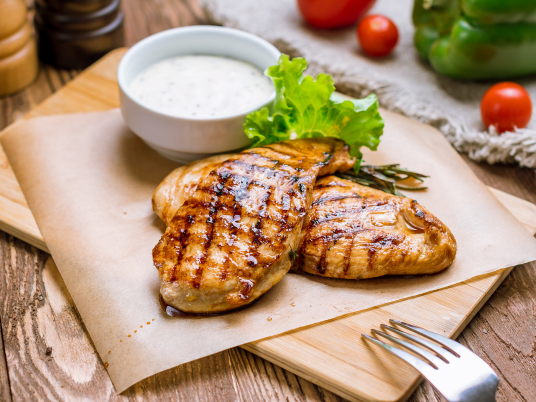 Chicken fillet products come in various types and forms to meet diverse consumer needs. One of the most common is fresh chicken fillet, which is processed immediately after slaughtering without undergoing preservation. This product is usually sold in vacuum packaging to maintain freshness. In addition, frozen chicken fillet is also available for longer shelf life. Frozen fillets are typically processed using rapid freezing technology to preserve the quality and texture of the meat, ensuring it remains fresh when thawed and cooked.
Aside from storage methods, chicken fillet is also available in various cuts to cater to specific culinary needs. There are whole fillets, which are boneless meat sheets often used for chicken steaks or schnitzels. For stir-fried dishes, many consumers opt for fillets that have been pre-cut into small pieces or cubes. Thinly sliced chicken fillets are also available for dishes like sukiyaki or shabu-shabu. These variations provide flexibility for consumers in choosing products that suit their recipes or preferred cooking techniques.
Processed chicken breast fillet products are also increasingly popular in the market. Some of these include marinated chicken breast fillet, pre-seasoned with herbs or sauces, ready to be cooked without adding extra seasoning. There are also breaded chicken fillets, such as chicken katsu or chicken nuggets, which are practical for frying. For consumers seeking convenience and efficiency, these products are an ideal choice. These diverse chicken breast fillet options not only offer flavor variations and ease of use but also encourage creativity in preparing various dishes.
Advantages of Chicken Breast Fillet
One of the main advantages of chicken breast fillet is its ease of preparation. Without bones and skin, chicken fillet allows consumers to cook it directly without needing to separate unwanted parts. This makes chicken fillet a practical choice for those with limited time, such as office workers or families with busy schedules. With chicken fillet, cooking can be done faster and more efficiently, whether for simple daily meals or special dishes.
In addition to its practicality, chicken fillet also offers flexibility in various cooking techniques. Its tender and uniform meat is ideal for grilling, stir-frying, steaming, and frying. Chicken fillet also has an excellent ability to absorb seasonings, making the resulting dishes flavorful and rich in taste. Furthermore, chicken fillet can be transformed into various dishes, from traditional recipes like chicken curry to international menus like chicken steak or teriyaki. This versatility makes chicken fillet a universal ingredient suitable for numerous recipes.
From a nutritional standpoint, chicken breast fillet also has many benefits. Since it is derived from boneless and skinless chicken meat, its fat content tends to be lower compared to other chicken parts. Chicken fillet, especially from the breast, is also rich in high-quality protein, essential for building and repairing body tissues. Its nutritional content makes chicken fillet an ideal choice for those following a healthy diet, such as athletes or individuals on a weight-loss program. The combination of nutritional value, practicality, and flexibility makes chicken breast fillet not only popular but also beneficial for health.
Chicken Breast Fillet Distributors
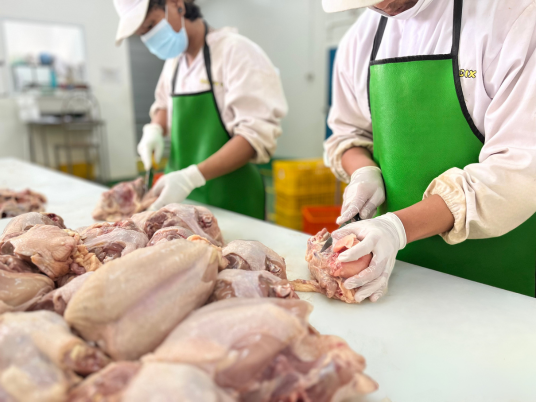 Chicken fillet distributors play a crucial role in ensuring the supply of high-quality chicken meat is available for both household and business needs. Distributors usually collaborate with chicken farms or processing companies to source fresh products that meet quality standards. Afterward, the chicken breast fillet is distributed in various forms, such as fresh, frozen, or pre-marinated, to cater to market demands. Most distributors also utilize advanced storage technologies, such as refrigeration or freezing facilities, to maintain the quality and freshness of chicken fillets until they reach consumers.
In Indonesia, chicken breast fillet distributors serve various market segments, including restaurants, catering services, supermarkets, and traditional markets. They often offer additional services such as custom packaging, timely delivery, and products tailored to customer needs. Some major distributors even provide chicken fillet with halal certification or other food safety standards to ensure consumer comfort and safety. The role of distributors extends beyond selling products—they also act as partners in supporting the smooth operations of the food business while ensuring consumers receive quality products at competitive prices.
Happy Cix is one of the best chicken fillet distributor in Bali, known for its superior product quality and service. Committed to providing fresh and high-quality chicken fillet, Happy Cix is the top choice for various segments, from households to culinary businesses like restaurants, hotels, and catering services. Happy Cix products are processed hygienically under strict food safety standards, ensuring consistent taste and quality. Additionally, Happy Cix offers various types of chicken fillets, including fresh, frozen, and pre-seasoned options, to meet customer needs. With on-time delivery services and competitive prices, Happy Cix is not just a distributor but also a reliable partner for consumers seeking high-quality chicken fillet in Bali.

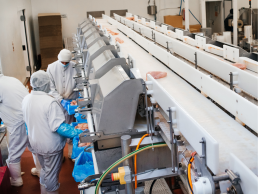
Chicken Slaughterhouse Workflow: Efficient and Hygienic Process
Best Chicken Slaughterhouse
Chicken Slaughterhouse Workflow - Behind the fresh chicken meat you find in the market or supermarket, there is an organized and complex process at the chicken slaughterhouse. This place serves as a processing center specifically designed to ensure that every stage of chicken production meets hygiene and food safety standards. Modern chicken slaughterhouses are equipped with advanced facilities and supervised by trained professional staff, ensuring the quality of the product is maintained from the beginning to the end of the process. Not only that, the process is also designed to minimize environmental impact, making it more eco-friendly and sustainable.
The chicken slaughterhouse workflow begins with the reception of live chickens from farms that have met health criteria. These chickens are strictly inspected to ensure that none are sick or unfit for consumption. After passing the inspection, the chickens undergo a series of stages involving stunning, slaughtering, feather plucking, and cleaning of the internal organs. Each step is carried out using modern equipment designed to reduce stress on the animals while maintaining the quality of the resulting meat. All these processes are carried out under strict supervision to ensure the final product remains hygienic and meets quality standards.
In addition to efficiency in the this chicken slaughterhouse workflow, the chicken slaughterhouse also places great emphasis on hygiene and waste management aspects. Every production residue such as feathers and unused body parts is further processed to prevent environmental pollution. The environmentally friendly liquid and solid waste treatment systems help maintain the balance of the surrounding ecosystem. Chicken slaughterhouses are now able to integrate automation processes to enhance efficiency without compromising quality. All of this is done to ensure that the chicken meat that reaches the dining table is safe, healthy, and nutritious.
Industrial-Scale Chicken Slaughterhouse Workflow
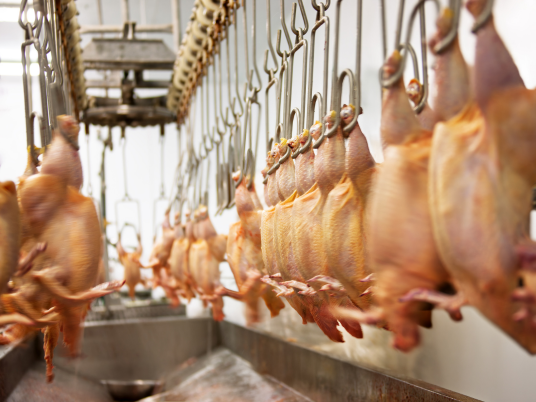 Receiving Live Chickens
The first step of chicken slaughterhouse workflow; chickens originating from farms are delivered to the abattoir in a live condition. Upon arrival, chickens are visually and physically inspected by animal health officers to ensure that none are sick or unfit for consumption. Chickens that pass the inspection are placed in comfortable temporary cages to reduce stress before processing.
Stunning
This stage aims to render the chicken unconscious to reduce pain and stress during the slaughter process. Stunning can be done by electrical stunning or gas stunning, depending on the technology used in the slaughterhouse.
Slaughtering
This is the focus part of chicken slaughterhouse workflow; Once the chicken is stunned, the slaughter process begins with halal slaughter (if required). This process is carried out quickly and efficiently using automated or manual knives by trained labor. The blood of the chicken is allowed to drain off to preserve the quality of the meat.
Removal of Feathers (Scalding and Plucking)
The slaughtered chicken is placed in hot water (scalding) to loosen the feathers. Afterwards, the feathers are removed with a rotating plucker to thoroughly clean the chicken.
Internal Organ Removal (Evisceration)
The chicken that has been cleared of feathers is then split open to remove the internal organs. This process is done carefully to ensure that the internal organs are removed.
Cleaning and Inspection
Chicken that has gone through the evisceration process is cleaned again using clean, pressurized water. Inspection personnel thoroughly check to ensure the chicken meat is free from defects or contamination before proceeding to the next stage, the important step in chicken slaughterhouse workflow.
Chilling
After cleaning, the chicken is put into a cooling system, such as chilled water or air chilling. This process helps to rapidly lower the body temperature of the chicken to maintain freshness and prevent bacterial growth.
Cutting and Packaging
Whole chickens can be further processed into specific cuts, such as breasts, thighs, or wings, according to market demand. Afterward, the chicken meat is packed using airtight plastic or in sealed containers to maintain its quality.
Storage and Distribution
The packaged products are stored in specialized cold rooms before being distributed to customers, such as supermarkets, traditional markets, or restaurants. An efficient logistics system ensures that the chicken meat reaches consumers in the freshest condition.
Every step in chicken slaughterhouse workflow is designed to ensure efficiency, hygiene and food safety, so that the final product is of high quality and safe for consumption.
The Best Chicken Slaughterhouse in Bali
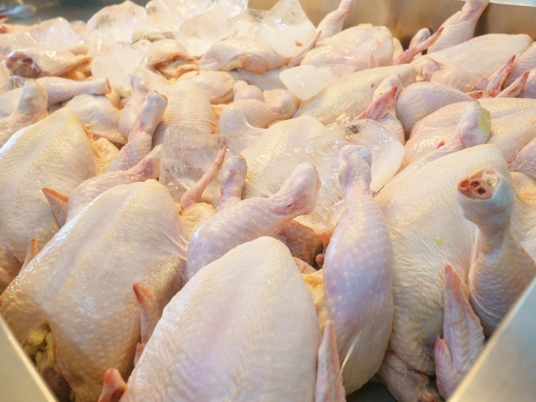 Efficiency and hygiene in chicken slaughterhouse workflow is the two main pillars that determine the success of a Bali chicken slaughterhouse in delivering quality products to consumers. With a structured work process and supported by modern technology, the chicken slaughterhouse is able to maximize every operational stage. Starting from stunning to packaging, each step is carried out with high precision to minimize production time without compromising meat quality. In addition, the use of automation systems and real-time monitoring further enhances efficiency while reducing the risk of human error.
From a hygiene perspective, a superior chicken slaughterhouse always adheres strictly to high cleanliness standards. All processes are carried out in a sterile environment and supervised by experts, ensuring the final product is free from contamination. In fact, the waste produced is processed with an environmentally friendly system to maintain the balance of the ecosystem. The combination of process efficiency and cleanliness not only meets consumer demand for fresh and healthy chicken meat but also supports sustainable industry practices.
One of the best examples in this industry is Happy Cix Bali, a chicken slaughterhouse that has set high standards in terms of efficiency and hygiene. With modern facilities and a commitment to quality, Happy Cix Bali is able to provide optimal service to customers. Not only do they provide premium quality chicken meat, but they also pioneer environmentally friendly waste processing. This excellence makes Happy Cix Bali a role model in the poultry slaughterhouse industry, as well as proof that efficiency and cleanliness in chicken slaughterhouse workflow can go hand in hand to produce the best products.

Cold Storage: Storage Processes in Chicken Slaughterhouses
What is Cold Storage?
Cold storage is a specially designed room or warehouse with controlled temperature and humidity to store various products, especially perishable products. Cold storage, also known as cold storage, is a facility that primarily stores food items that are short-lived and likely to spoil under normal conditions. More specifically, it is a room that is specifically designed to create certain temperature conditions, which aims to maintain the freshness of various types of products, especially foodstuffs.
Cold storage helps slow down the spoilage process and extend the shelf life of products. It serves as a storage place that maintains the quality and coolness of products, ensuring that they remain in optimal conditions for consumption or use. Thus, it not only keeps food products fresh, but also plays an important role in maintaining the quality and durability of the products, ensuring they remain safe and suitable for consumption or use.
How Does Cold Storage Work?
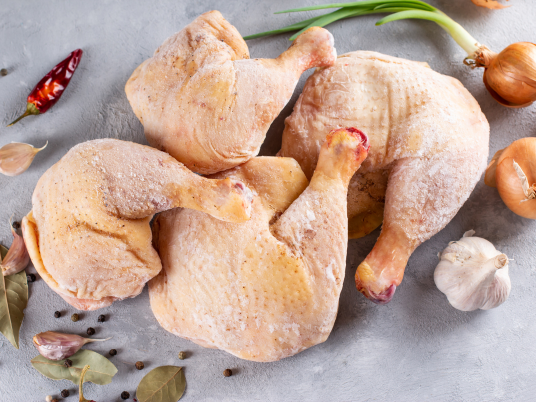 A cold storage industry or freezer warehouse, maintains a specific temperature using a complex refrigeration system. This system mainly consists of the following components:
- Coolant: This substance is found in refrigeration equipment, and it absorbs heat from the products stored in the warehouse, reducing their temperature. The coolant circulates through the system, constantly absorbing and releasing heat.
- Compressor: It compresses the coolant, which increases its temperature and pressure. The high-pressure gas then moves to the condenser.
- Condenser: Here, the high-pressure refrigerant gas releases heat to the outside environment and turns into a high-pressure liquid.
- Receiver: This component stores the high-pressure liquid coolant before sending it to the separator.
- Separator: This further reduces the pressure of the liquid coolant, which turns it into a low-pressure mixture of gas and liquid.
- Evaporator: In this final stage, the low-pressure coolant absorbs heat from the cold storage environment, and the cycle begins again.
- These components work in harmony to maintain the required low temperatures within the cold chain warehouse, ensuring the integrity and safety of the temperature-sensitive products stored within.
Cold Storage Functions
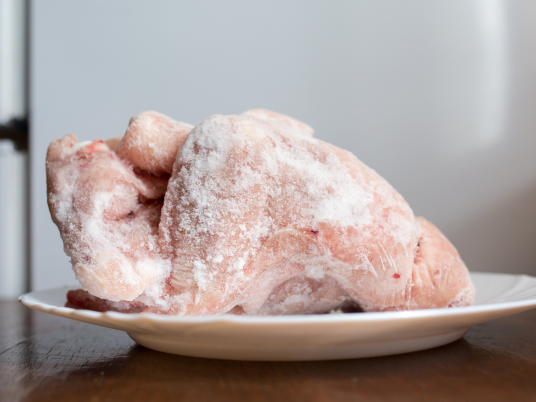 After we have understood the definition of cold storage before, now let's explore more about the various important functions it has. Cold chain, which is equipped with a cooling machine system, is not only a place to store food ingredients, but also has other roles that are no less vital, namely:
1. Seafood and Meat Storage
One of its main roles is to maintain the quality of seafood and meat. The low temperatures maintained in cold storage not only preserve the texture and nutrients of seafood and meat, but also prevent the development of harmful bacteria and microbes. This is especially important when products have to be shipped long distances or imported to different places, so that freshness is maintained until it reaches the consumer.
2. Storing Vegetables and Fruits
Apart from meat and seafood, this storage also plays a role in keeping vegetables and fruits fresh. The low temperature helps maintain the nutritional content and avoid damage to the texture of the product. Thus, fruits and vegetables remain delicious and nutritious when they reach your hands.
3. Industrial Material Storage
Cold storage is not only relevant for food, but also for other industries. For example, in the pharmaceutical industry, drugs and other raw materials require proper storage temperatures to maintain the stability of their active substances and effectiveness. These materials often have specific storage instructions to maintain their quality, and this storage is an ideal place to keep these medicines safe and effective.
4. Storing Vaccines
Cold storage is also important in the storage of vaccines, which require low temperatures to maintain their quality and effectiveness. Vaccines are often stored in cold chains to keep them safe.
Happy Cix Cold Storage
Cold storage is an indispensable modern solution in maintaining product quality, especially in the food industry such as chicken meat. With this system, the storage process can be carried out at the right temperature, extending the shelf life, avoiding damage, and ensuring the product remains fresh until it reaches consumers. This technology is an important part of the supply chain that supports food quality and safety.
Happy Cix Chicken Slaughterhouse has implemented cold storage as part of their production process. In its operations, Happy Cix ensures that every stage, from slaughtering to storage, uses modern standards that are oriented towards hygiene and efficiency. With cold storage, the chicken meat produced is not only maintained in good quality, but can also meet the needs of consumers in the best conditions.
Happy Cix success shows that investing in technology such as cold storage is not just an option, but a necessity for industries that want to remain competitive. Not only does it maintain product quality, it also supports better stock management and prevents wastage. Thus, cold chain becomes an important pillar in creating a sustainable production process that provides long-term benefits for both producers and consumers.
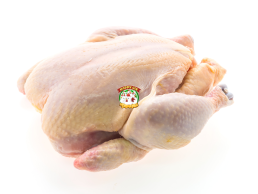
Chicken Skin: The Underrated Favorite Dish
Chicken Skin - Crispy, golden, and bursting with flavor, chicken skin is a culinary delight that has captured the hearts of food lovers worldwide. Once considered a humble by-product of poultry dishes, chicken skin has stepped into the spotlight as a beloved snack and ingredient in its own right. From street food vendors to upscale restaurants, its satisfying crunch and rich, savory taste make it a standout favorite for those who crave indulgent textures and bold flavors.
What sets skin of chicken apart is its incredible versatility. Whether fried to perfection, roasted until crispy, or infused with spices for an extra kick, this seemingly simple ingredient has the power to transform any dish into a gourmet experience. Its ability to soak up seasonings and deliver a punch of umami ensures it complements a variety of cuisines, from the fiery sambals of Southeast Asia to the creamy dips of the Mediterranean. Even in its simplest form, lightly salted and fried, chicken skin offers a pure, unpretentious indulgence that’s hard to resist.
Beyond its culinary appeal, this skin holds a nostalgic charm for many. For some, it recalls memories of sneaking crispy pieces from a plate of roasted chicken as a child. It’s a reminder of comforting family meals or favorite street food snacks. While it may be a guilty pleasure for some, its ability to bring joy and satisfy cravings makes skin an unforgettable treat that transcends cultural boundaries.
Tasty but Underrated
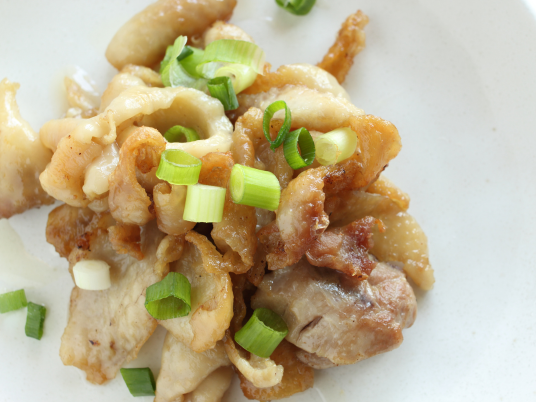 The tastiness of chicken skin lies in its unique combination of flavor and texture. Its high fat content makes it rich and savory, with a naturally occurring umami flavor that enhances every bite. When cooked, the fat renders out, creating a crispy exterior while retaining just enough moisture to make it satisfyingly tender inside. The Maillard reaction, a chemical process that occurs during high-temperature cooking, gives chicken skin its golden color and deep, complex flavors. This crispiness, paired with a slightly chewy undertone, makes it a sensory delight that’s hard to replicate with other foods.
Despite its incredible flavor, skin of chicken remains underrated, often dismissed as an unhealthy indulgence. For years, dietary trends have demonized fatty foods, leading many to shy away from this delectable treat. Furthermore, its role as a by-product in many cuisines means it’s often overlooked or discarded. Yet, this humble ingredient has so much to offer when given the spotlight. Whether as a snack, topping, or a key component in gourmet dishes, chicken skin proves that simplicity and bold flavor can go hand in hand. It’s a hidden gem waiting to be appreciated by food enthusiasts around the world.
Different Ways to Cook Chicken Skin
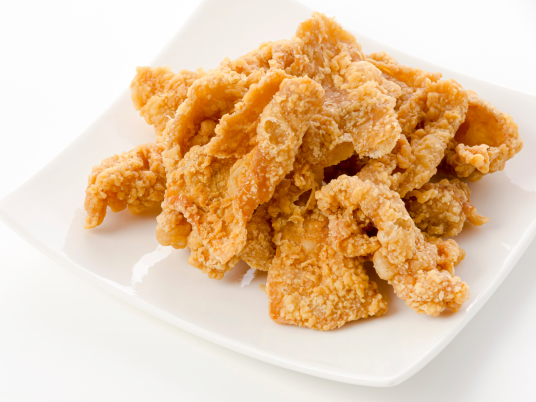 Crispy Perfection: Deep-Fried Chicken Skin
Deep frying is one of the most popular and indulgent ways to prepare chicken skin. The process involves rendering out the fat while creating a golden, crunchy exterior that shatters with every bite. Often seasoned with a simple blend of salt and pepper, or coated in a flavorful spice mix, fried chicken skin is a snack that’s hard to resist. For an extra layer of decadence, some variations dip the skin in batter before frying, resulting in a puffier, crispier texture. Served hot and fresh, it’s a street food favorite that pairs beautifully with dips like tangy barbecue sauce, spicy sambal, or creamy aioli.
Oven-Baked Goodness
For those looking for a slightly healthier option without sacrificing flavor, oven-baked chicken skin is a fantastic alternative. By spreading the skin flat on a baking sheet and roasting it at high heat, the fat slowly renders out, leaving behind a crispy and light snack. Baking also allows for more experimentation with seasoning think garlic powder, smoked paprika, or even a touch of honey for a sweet and savory twist. This method produces a crisp, golden skin that retains a natural, unprocessed taste, making it ideal for adding texture to salads, soups, or bowls of steamed rice.
Fusion Flavors: Chicken Skin as a Recipe Component
Skin of chicken isn’t just a standalone snack it shines as a key ingredient in fusion cuisine. In Southeast Asia, it’s often grilled or fried and used as a topping for noodles or rice dishes, adding a satisfying crunch. In Japanese yakitori, skewered chicken skin is grilled over charcoal, basted with a sweet and savory tare sauce for a smoky and caramelized finish. Meanwhile, modern chefs have begun incorporating crispy chicken skin into dishes like gourmet tacos, where it complements creamy avocado and zesty salsas. Whether as a crispy garnish or the star of the plate, chicken skin adapts effortlessly to a variety of culinary styles, proving its versatility and potential.
Supply Chicken Skin for Culinary Business
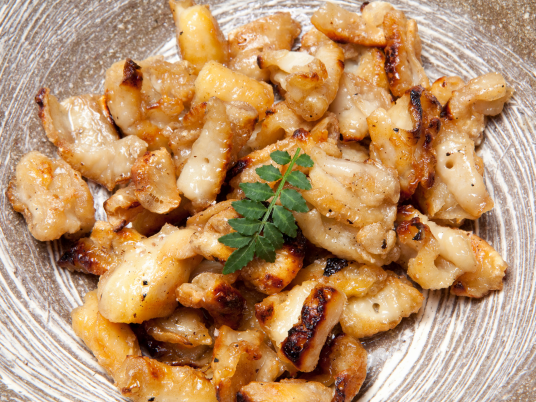 Chicken skin supply for your culinary business requires the right strategy so that the quality of your raw materials is guaranteed and the procurement process is efficient. The first step is to work with a trusted supplier, such as a chicken slaughterhouse or poultry meat distributor. Choose a supplier that is able to provide chicken skin in large quantities as needed, with consistent quality. It is important to ensure that the chicken skin is free from feather residue, clean and fresh, as the quality of the raw materials will greatly affect the taste and appeal of the culinary products produced.
In addition to choosing a supplier, pay attention to legality and food safety aspects. Make sure the supplier has certifications that guarantee the processing process is carried out according to hygiene and health standards. In this context, chicken slaughterhouses such as Happy Cix are a recommended choice. Happy Cix provides various types of chicken pieces, including high-quality chicken skin, which are perfect for meeting the needs of your culinary business. With experience and a good reputation in the field, Happy Cix ensures that every product they produce meets quality and hygiene standards.
Having a supplier like Happy Cix also helps improve the operational efficiency of your business. With a stable supply of chicken skin, you can focus more on menu innovation and business development. In addition, Happy Cix offers flexibility in fulfilling customer requests, ranging from quantities to specific types of pieces. This is especially beneficial for culinary businesses that want to highlight the uniqueness of their products, such as chicken skin chips, chicken skin-based soups, or other fried dishes.
Broiler Chicken Favorite Type of Slaughter Chicken
What is a Broiler Chicken?
Broiler chickens are a special breed of chicken bred to produce meat in a relatively short time. This chicken is the result of genetic selection, so it has the ability to grow quickly and has an ideal weight for slaughter at the age of 5 to 7 weeks. The characteristic of broiler chickens is that their body is fatter and denser than other chicken breeds, with more meat on the breast and thighs. This makes it the top choice in the commercial poultry industry to meet the growing demand for chicken meat in the global market.
In the rearing process, broilers are usually raised in intensive farming systems that are strictly regulated to ensure optimal growth. Cage environment, high-quality feeding, and health management are important factors for broilers to reach harvest weight quickly without experiencing serious health problems.
Therefore, broilers have become the backbone of the chicken industry due to their high meat production efficiency, short rearing time, and good feed conversion rate. Let's get to know better how this chicken meat became so popular, and what is involved from its benefits to its circulation in the market. Know the role of chicken suppliers in maintaining the quality of their products in the market.
Benefits of Chicken Broiler
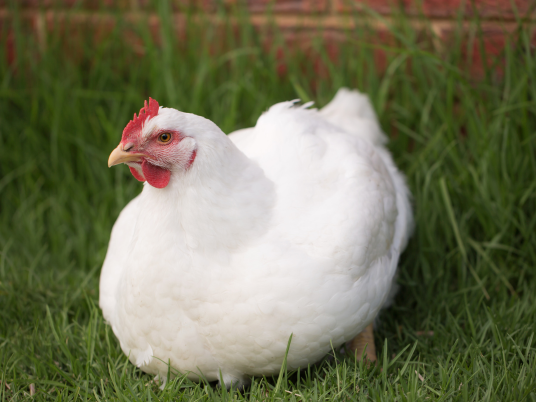 Broiler chicken meat is extremely nutritious, making it one of the most popular sources of animal protein worldwide. In every 100 grams of broiler meat, there are about 20-25 grams of high-quality protein, which is essential for growth, tissue repair and muscle function. It is also rich in B-complex vitamins, especially vitamins B6 and B12, which play a role in maintaining a healthy nervous system and energy production. Minerals such as iron, phosphorus and zinc also make broiler meat beneficial for bone health and immunity.
One of the main advantages of broiler meat is the low fat content, especially in the breast, which is a favorite choice for those who maintain a healthy diet. The fat in broiler meat is also more manageable than red meat such as beef or mutton, as most of the fat can be easily separated during processing. In addition, broiler meat tends to be low in cholesterol, making it a good alternative for individuals looking to reduce their saturated fat intake and maintain a healthy heart.
Broiler chicken meat also excels in terms of ease and speed of processing. Due to its soft texture, it is easy to cook with a variety of methods, such as grilling, boiling or frying, making it suitable for many different types of dishes. In addition, its abundant availability and relatively affordable price make broiler meat an economical choice for many households and food industry players. The combination of high nutritional content, excess nutrients, and flexibility in processing makes broiler chicken meat a favorite in many kitchens.
Broiler Chicken Price
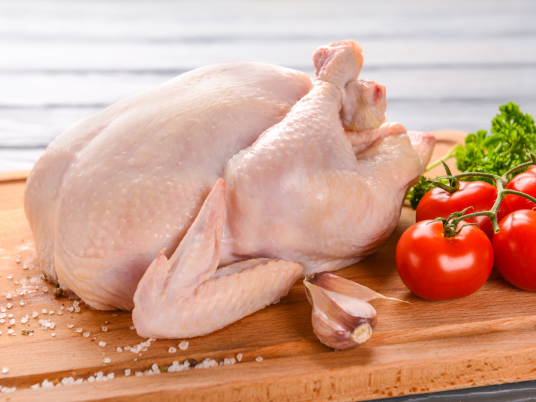
The price of chicken broiles today, including broiler meat, is difficult to ascertain as it is subject to frequent fluctuations influenced by many dynamic factors. These changes can occur in a matter of days or even hours, depending on the supply conditions on the farm, the weather, as well as the level of demand in the market. This instability is also triggered by the erratic feed and operational costs of farmers, which ultimately impacts the selling price of chicken meat in the market. Therefore, prices listed in traditional markets or supermarkets often vary across regions, making it difficult for consumers to predict the exact figures from day to day.
Broiler chickens, as one of the main sources of meat, also experience fluctuating price movements. Price increases often occur when demand rises sharply, such as ahead of holidays or when supply is limited due to distribution or animal health issues. However, prices can drop dramatically when chicken production is abundant or consumption is reduced, for example when people's purchasing power declines. Therefore, consumers and traders need to pay attention to price dynamics regularly to anticipate rapid and unexpected changes.
Broiler Chicken Product on the Market
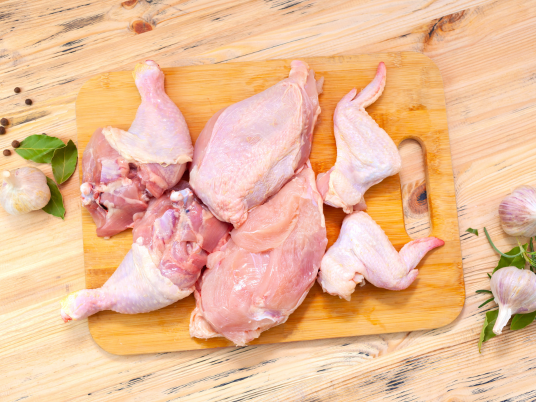 Broiler chicken is the most common type of broiler sold in various places such as supermarkets, vegetable stores, traditional markets, and fresh markets. It has fast growth and more tender meat than native chickens, making it a top choice for consumers looking for a source of animal protein at a relatively affordable price. In modern supermarkets or fresh markets, broiler chicken is usually neatly packaged in plastic or special containers, labeled with nutritional information, weight, and expiration date, making it convenient for shoppers who want a hygienic and ready-to-cook product.
In traditional markets or vegetable shops, broiler chickens are often sold in simpler forms, either in pieces or whole. Prices at these places tend to be more flexible as transactions can be bargained for. At markets, buyers can also often choose freshly slaughtered chicken to ensure quality and freshness. With its availability in these various places, broiler chicken is a product that is very accessible to people from various economic levels.
The availability of broiler chicken meat in the market is inseparable from the important role of the best chicken suppliers who ensure a consistent supply of high-quality chicken. These suppliers ensure the distribution of chicken runs smoothly, from the farms to various points of sale such as supermarkets, traditional markets, vegetable stores, and fresh markets. The best chicken suppliers maintain the supply chain and ensure that the chicken remains fresh during the journey, so that consumers can get healthy, fresh, and consumable products whenever needed.
Chicken Supplier in Bali
Chicken Supplier in Bali is a high-quality chicken meat provider that caters to various market needs in Bali, ranging from restaurants, hotels, to local markets. This supplier is known for providing fresh broiler chickens produced from farms with high health standards, ensuring every piece of chicken distributed is safe, clean, and of high quality. In addition, they also offer a wide selection of chicken products, such as whole chickens, chicken pieces, and ready-to-cook processed products, meeting the needs of consumers with high quality standards.
The role of Chicken Suppliers in Bali is crucial in maintaining a stable supply of chicken meat on the island, which is a popular tourist destination. They ensure efficient distribution to various points, ranging from tourist areas to traditional markets, while maintaining product freshness through strict cold chain management. The existence of a reliable supplier like this makes it easy for culinary businesses and household consumers in Bali to get quality, fresh, and available chicken meat whenever needed.
Happy Cix is a chicken supplier in Bali known for the quality and reliability of its products. With years of experience in the industry, Happy Cix offers fresh and high-quality broiler meat. Their commitment to hygiene and food safety makes every piece of chicken supplied meet the highest standards. Friendly and responsive customer service and an efficient delivery system make Happy Cix the number one choice for restaurants, hotels, and homes in Bali looking for the most consistent and reliable chicken supply.
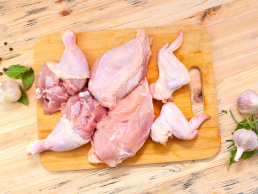
Tips for Cooking Based on the Chicken Cuts
Chicken Cuts
Chicken Cuts - Chicken is the most popular and widely consumed source of animal protein around the world. Besides being relatively affordable, chicken meat is also easy to find in various markets and supermarkets. This meat has a soft texture, neutral flavor, and is flexible to be processed in various types of dishes, from simple to complex. In addition, its high nutritional content, such as protein and vitamins, makes chicken meat a top choice for many people who want to have a healthy diet. To make it easier for buyers to choose according to their taste, chicken meat is usually cut into several parts in the market.
Breast, upper thigh, lower thigh, wings, and parts such as offal, head, and claws are some of the common types of chicken cuts sold. Each cut has its own unique texture, flavor, and cooking method. For example, chicken breasts have a low fat content and are often a good choice for those following a healthy diet program. Chicken thighs, on the other hand, have a better flavor and are suitable for cooking in dishes that require a milder taste.
Chicken cuts are a versatile foodstuff that each piece has a different flavor and texture in every preparation. Among the most common chicken cuts, such as breasts and thighs, it has its own fans. When cooked properly, each of these chicken cuts makes for a delicious meal. The culinary experience with each cuts of chicken differs according to the way it is processed.
Best-Selling Types of Chicken Cuts
Each cuts has different textures, flavors, and characteristics. Here are the types of chicken cuts and tips for cooking or processing chicken based on the type of cut, here's more:
1. Populer Chicken Cuts: Chicken Breast
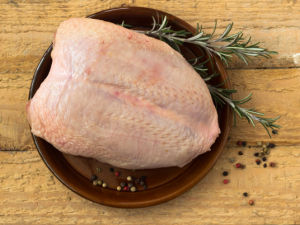
Chicken breast is the chicken cuts that can be found in boneless or bone-in form, depending on how it is cut. For those who prioritize healthy eating, this cuts is often chosen because it has the thickest meat and the least amount of fat. Chicken breast has a denser texture and lighter color compared to other parts. Chicken breast is often chosen as the main ingredient in a healthy diet because it is high in protein and low in fat.
Chicken breasts are often used in various food preparations, such as steaks, salads, grilled chicken, or various boneless dishes. Chicken breast is one of the best choices for cooking healthy meals due to its high nutritional value and ease of use. The marination process is essential for maintaining the tenderness and flavor of the meat while cooking as chicken breasts are drier and less fatty. Using a mixture of spices, oil, and acidic ingredients such as vinegar or lemon can soften the texture of the meat and make the flavor richer. Chicken breasts cook quickly, so don't overcook them.
To ensure the meat is fully cooked and not dry, cook until the internal temperature reaches 75°C (165°F). Cooked in a quick way, such as grilled, broiled or stir-fried, or used in dishes like chicken salad and grilled chicken, chicken breasts are perfect as they remain succulent and don't lose their tenderness.
2. Upper Thigh
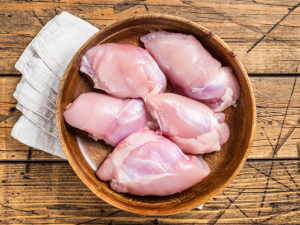
The upper thigh meat, located at the top of the chicken leg, is usually more tender and juicy compared to the breast. Thigh meat is darker because it has more muscle and fat, which makes it softer and richer in flavor. The upper thigh is perfect for various dishes that require a longer cooking time, such as stews, curries, or fried chicken. Also, as the meat remains tender and juicy even when cooked for a long time, this part is often the choice for grilled dishes.
Due to their high fat and muscle content, chicken upper thighs lend themselves to slow cooking and keep the meat tender. This part is ideal for dishes that require a longer cooking time such as stews, rendang or curries. The upper thighs can create crispy skin when cooked, especially if grilled at a high temperature. Crisp skin can be achieved by using an oven or frying pan without compromising the flavor of the meat inside. The upper thigh also absorbs seasonings well, so it goes well with strong condiments such as spices or rich sauces. This makes it an ideal chicken cuts for many different types of dishes.
3. Drumstick
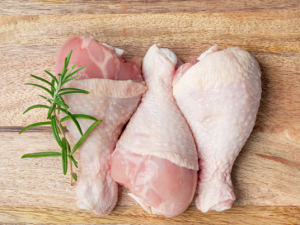
The lower thigh of a chicken is the part of the leg that connects to the upper thigh and is usually bony. Compared to the upper thigh, the meat of the lower thigh is darker in color, has stronger fibers, and a coarser texture. Also, the meat of the lower thigh has more connective tissue, which makes it more chewy. This part is often used in various types of dishes such as roast chicken, fried chicken, or stews. The drumstick is also very popular as a snack, like a “drumstick” at parties or BBQs, because it is small and easy to hold. Many people love them.
When cooked by grilling, frying, or roasting, chicken drumsticks absorb seasonings very well, resulting in a delicious and rich flavor. To speed up the cooking process and allow the marinade to penetrate deeper, skewer the meat before cooking. For the drumstick to be perfectly cooked, it requires a considerable amount of cooking time, usually around 25-30 minutes if roasted at 180°C-200°C. The result is juicy meat with crispy skin, which is perfect for a variety of meals.
4. Chicken Wings
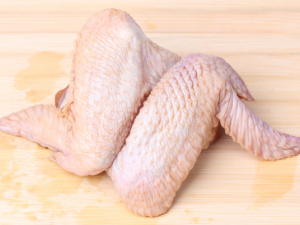
Chicken wings are made up of three main parts: the tip, the smallest end; the wingette, the smaller middle part; and the drumette, the part closest to the body of the chicken. This chicken cuts are rich in flavor and fatty due to the combination of meat and skin. Chicken wings cook quickly and are juicy due to their thin meat. Chicken wings are highly favored in various dishes, such as fried chicken, grilled chicken, or gravy chicken. In various restaurants, especially at casual events or parties, chicken wings are also often served as snacks or appetizers.
Delicious chicken wings should be grilled or fried until the skin is crispy. For added flavor, marinating chicken wings with various seasonings, such as hot sauce, honey, or soy sauce, is great. In addition, making a sweet or spicy glaze sauce, such as BBQ or honey-garlic sauce, will provide better flavor when the wings are cooked. To achieve the perfect crispiness, a two-stage bake technique can also be used. The wings are first baked at a low temperature to allow the fat to escape, and then rise to a high temperature to dry out the skin and make it crispier.
5. Chicken Cuts - Offals (Liver, Gizzard, Intestines)
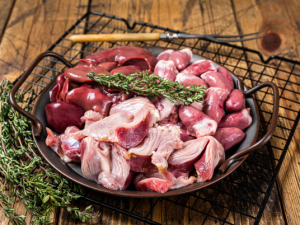
Chicken offal consists of various internal organs such as liver, gizzard and intestines, each of which has unique characteristics. Chicken liver has a soft texture with a sharper flavor, while gizzards have a chewy texture. Chicken intestines, on the other hand, are usually cooked longer to soften their texture. Offal is often used in traditional dishes, such as intestine satay, gizzard, or fried liver, and is often used as a side dish to accompany rice in dishes such as mixed rice.
Before processing, offal such as intestines and gizzards should be boiled or blanched briefly to clean and reduce fishy odors. Since offal have a distinctive flavor, they pair well with strong seasonings such as rica-rica, gulai, or sambal goreng. However, it is important not to overcook chicken livers, as the meat can harden and lose its tenderness.
6. Chicken Head
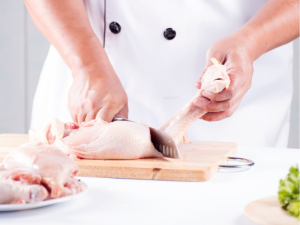
The chicken head is the chicken cuta that consists of the brain, skin, and some meat. Although there is not much meat, this part has a strong and unique flavor when cooked. Chicken heads are often used in traditional Indonesian dishes, such as “sate kepala”, or cooked fried or grilled with spicy seasonings. After cleaning, chicken heads are usually boiled in soup or fried in hot oil. The use of strong spices such as chili, garlic, ginger and coriander really helps to enrich the flavor as there is not much meat. To keep the meat and cartilage tasty, don't overcook chicken heads as they will lose their texture.
7. Chicken Claws (Chicken Feet)
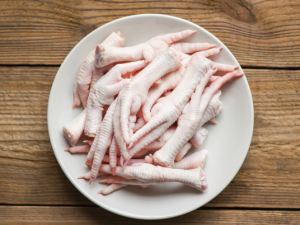
Chicken feet are made up of skin, tendons, and bones. Chicken claws have a lot of collagen, which makes them supple and soft when cooked. This part is highly favored in various Asian cuisines, such as dim sum, spicy feet, and feet soup. Chicken claws are also often used to make broths that are rich in nutrients and collagen. They are suitable for cooking in rich gravies or sauces, such as claw soup, stews, or spicy dishes, such as mercon claws. Chicken claws should be slow-cooked for a long time to achieve a tender texture, so that the tendons and skin become soft, and the resulting broth becomes rich in collagen, which is ideal for soupy dishes.
Conclusion of Type of Chicken Cuts for Cooking
Each cuts of the chicken has unique characteristics that affect how it is cooked. Chicken breasts are suitable for diets as they are low in fat, while thighs and wings are rich in flavor and more tender. Parts such as offal, head and claws are also popular in traditional cooking and offer different flavors and textures from regular meat. Cooking chicken cuts requires attention to the different cuts as each part has a different texture and fat content. Choosing the right cooking method and using the appropriate marinade can help produce delicious and scrumptious chicken dishes, from tender to crispy. Proper marination, temperature regulation and cooking time are essential in each type of cut.
With these cooking tips based on the type of chicken cuts, you can maximize the flavor and texture of each dish. To get the best quality chicken pieces, make sure you choose a trusted source such as Happy Cix, the best chicken slaughterhouse in Bali, which guarantees cleanliness, freshness, and superior quality chicken cuts. With quality ingredients, your dishes will be even more special.
Introducing the Types of Chicken Slaughter Products
Chicken Slaughter Products
Chicken Slaughter - Chicken meat is one of the most widely consumed sources of animal protein worldwide. Chicken is not only easy to prepare, but also offers a variety of flavors and textures that can be tailored to your tastes and needs. The deliciousness offered by chicken meat, coupled with its affordable price, makes it a favorite choice for various dishes, both at home and in restaurants.
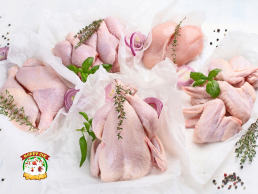
From chicken breasts that are low in fat and suitable for diets, to chicken wings that are rich in flavor and popular as a snack, each cut offers a different culinary experience. Understanding the different types of chicken cuts, such as thighs, breasts, wings and backs, will help you maximize the flavor and texture potential in every dish you make. By choosing the right cuts, you can create more delicious dishes that meet your nutritional needs.
Types of Chicken Cuts
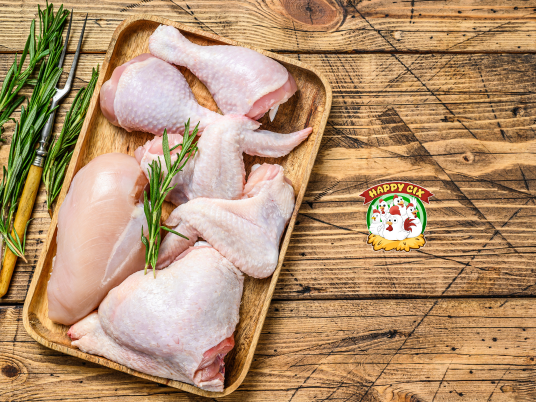
Chicken cuts are certain parts of the chicken that are cut according to certain needs or types of dishes. Here are the various types of chicken pieces that are commonly known:
- Chicken Breast: Chicken cuts that come from the breast, usually boneless and skinless. The meat tends to be drier and is suitable for frying, roasting, or braising.
- Chicken Thigh: This part is taken from the upper thigh of the chicken. The meat is softer and juicier than the breast, often used in baked, fried, or braised dishes.
- Drumstick: This cut is the lower part of the chicken thigh, which is usually smaller and contains bone. This cut is often used in various dishes such as fried chicken or BBQ.
- Chicken Wings: A chicken wing is a section that consists of three small parts: the tip, center, and base. They are usually grilled, fried, or processed into grilled chicken.
- Chicken Back: This cut comes from the back of the chicken, including the spine and some meat. Chicken backs are usually used to make broth because of the rich flavor of the bones.
- Breast Quarter with Wing: This cut consists of one whole chicken breast section still connected with its wings, perfect for roasting or grilling whole.
- Whole Thigh: This cut includes both the upper thigh and the lower thigh (drumstick), usually used for grilling or preparation into seasoned dishes.
- Whole Chicken: A chicken that is still whole without being cut into pieces. Whole chicken can be grilled, steamed, or cooked whole in soup.
- 8-Piece Cut Chicken: A whole chicken cut into eight pieces, usually consisting of two breasts, two upper thighs, two lower thighs, and two wings.
- Giblets: These are the internal organs of the chicken such as the liver, heart, and gizzard. Giblets are often used to make broth or as an additional ingredient in cooking.
Each piece of chicken has different textures and flavor characteristics, making them suitable for different types of cooking.
Chicken Slaughterhouse
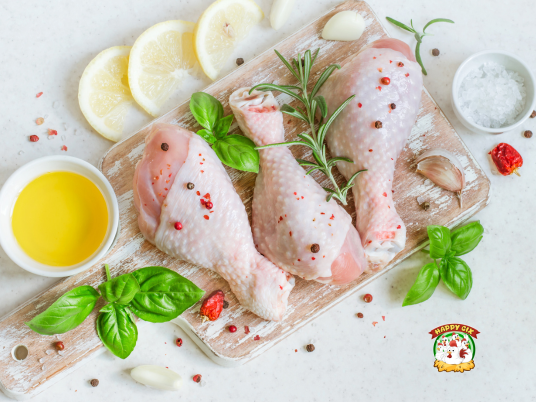
A chicken slaughterhouse is a service company that facilitates the process of slaughtering, cleaning, and processing chicken meat before it becomes a product that is distributed to the market or consumers. In the abattoir industry, various processes are followed from receiving live chickens, slaughtering them following strict health and hygiene procedures, to cutting, washing, and packaging the chicken meat. Chicken abattoirs are usually equipped with modern equipment such as cutting machines, de-feathering machines, and refrigeration areas to keep the meat fresh. All of these processes are supervised by experienced personnel to ensure that the meat produced is safe and suitable for consumption.
Chicken slaughterhouses are usually certified by the relevant bodies, to ensure that their operations meet hygiene standards and comply with applicable procedures. The handling of chickens in a way that minimizes stress on the animals, as well as the application of hygienic procedures to prevent contamination with bacteria or other pathogens that could endanger human health. Once the chicken meat is processed, the abattoir is also responsible for its distribution to various markets, supermarkets and restaurants, ensuring that the products arrive in the best possible condition and are safe for consumption.
Bali Chicken Slaughter Supplier
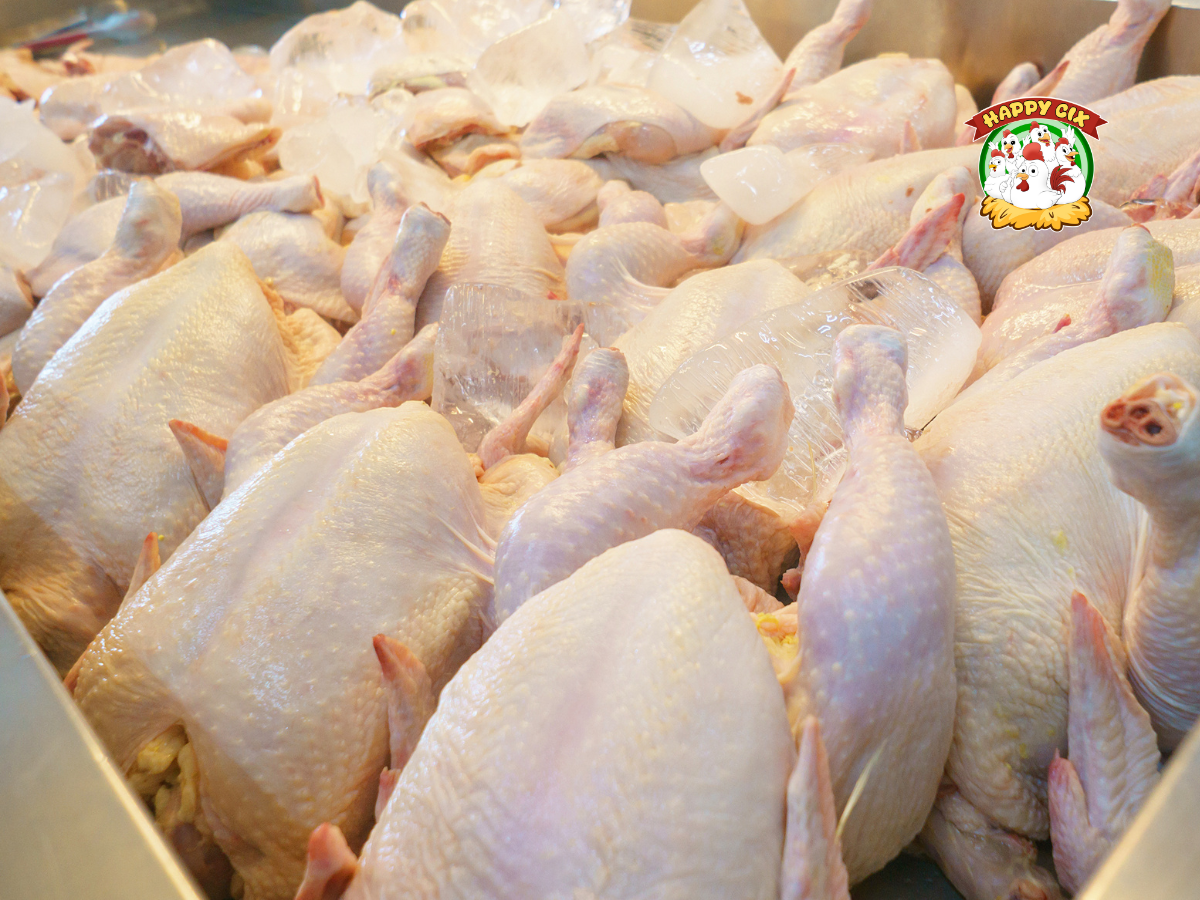
Bali chicken slaughter suppliers play an important role in ensuring the availability of fresh, quality chicken meat for the public and the culinary industry. These suppliers usually work with local farms as well as outside the region, organizing the supply of chicken from farmers which is then processed in slaughterhouses before being distributed to traditional markets, supermarkets, and restaurants. They must meet high hygiene and quality standards, and often have certifications from local health and agriculture offices to ensure the safety of the products they distribute.
In Bali, the demand for chicken slaughter is high, especially with the development of the tourism industry which has led to increased consumption of chicken meat in hotels, restaurants and other eating places. Chicken slaughter suppliers must be able to maintain an efficient and stable supply chain, ensuring that chicken slaughter is available in sufficient quantities and in fresh condition every day. In addition, they also often offer different types of chicken, such as native chicken or broiler chicken, according to market needs and consumer preferences in Bali. Thus, broiler suppliers play a crucial role in supporting the sustainability of the culinary and food industry in Bali.
Happy Cix
If you're looking for a reliable chicken slaughterhouse and chicken supplier in Bali, Happy Cix is the best option you can consider. With years of experience in the industry, Happy Cix has built a reputation as a high-quality chicken meat provider that always meets hygiene and food safety standards. Every chicken processed at their facility goes through a series of strict procedures to ensure that the meat that reaches consumers is not only fresh, but also safe and fit for consumption.
As a leading supplier of chicken slaughter in Bali, Happy Cix is also known for its commitment in providing a stable and quality supply of chicken to various markets, restaurants, and hotels across the island. With professional and timely service, Happy Cix ensures that your chicken needs are perfectly met, whether for business or household use. So, for the best quality and reliable service, Happy Cix is the brand you can rely on in Bali.
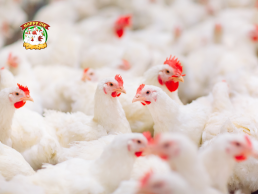
Chicken Slaughterhouse in Bali
What is a Chicken Slaughterhouse?
A chicken slaughterhouse is a facilitation used to slaughter, manage, and prepare chickens for human consumption. In a chicken slaughterhouse, processes from slaughtering to further processing such as cutting, cleaning and packaging are carried out to strict hygiene and safety standards.
Typically, slaughterhouse are equipped with various equipment and technologies to ensure that the chicken is processed efficiently and hygienically. This process is also carried out in accordance with certain rules, including in terms of halal slaughter or in accordance with certain norms prevailing in the community. Slaughterhouse are important in the chicken meat distribution chain, as they ensure that the product reaching consumers is safe and of high quality. This role is very important in the business world, especially FnB and culinary.
Bali chicken slaughterhouse play an important role in supporting the culinary and hospitality industry in Bali through the distribution of quality chicken meat. This is especially important in Bali, which is an international tourist destination with high expectations for food quality. Distribution by slaughterhouse also includes efficient logistics management, ensuring that the products delivered are fresh and in the best possible condition when they arrive at the hotel or restaurant kitchen.
The Important Role of a Chicken Slaughterhouse
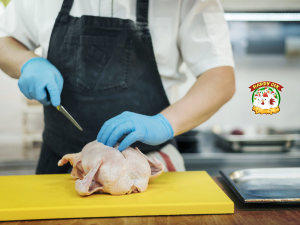
Slaughterhouse have several important roles in the livestock product industry including chicken meat distribution, including the following:
Safe and Hygienic Slaughtering
Slaughtering chickens in a safe, hygienic manner that complies with applicable health standards and regulations. This includes adherence to halal procedures where required.
Processing and Processing
Processing the slaughtered chicken into market-ready pieces. This includes cleaning, cutting and packaging the chicken meat.
Quality Control and Food Safety
Ensuring that the processed chicken meat is safe for consumption. This involves pre- and post-slaughter animal health inspections, as well as the implementation of strict hygiene practices to prevent contamination.
Product Distribution
Facilitate the distribution of chicken meat to various retailers, restaurants, or directly to consumers. The slaughterhouse ensures that the product reaches the market in good condition.
Waste Management and Environmental Impact
Manage the waste generated from the chicken slaughter and processing process, such as feathers, blood, and unused body parts. Good management helps reduce the environmental impact of slaughterhouse operations.
Fulfilling Consumer Needs
Meet consumer demand for chicken meat by providing products in various shapes and sizes, from whole chickens to special cuts according to market needs.
Recording and Reporting
Keeping accurate records of the number of chickens slaughtered, animal health, and product distribution. This data is important for audit, regulatory and product tracing purposes in case of health issues.
These roles make slaughterhouse a crucial part of the chicken supply chain, ensuring that thee product that reaches consumers is of high quality and safe for consumption.
Chicken Supplier in Bali
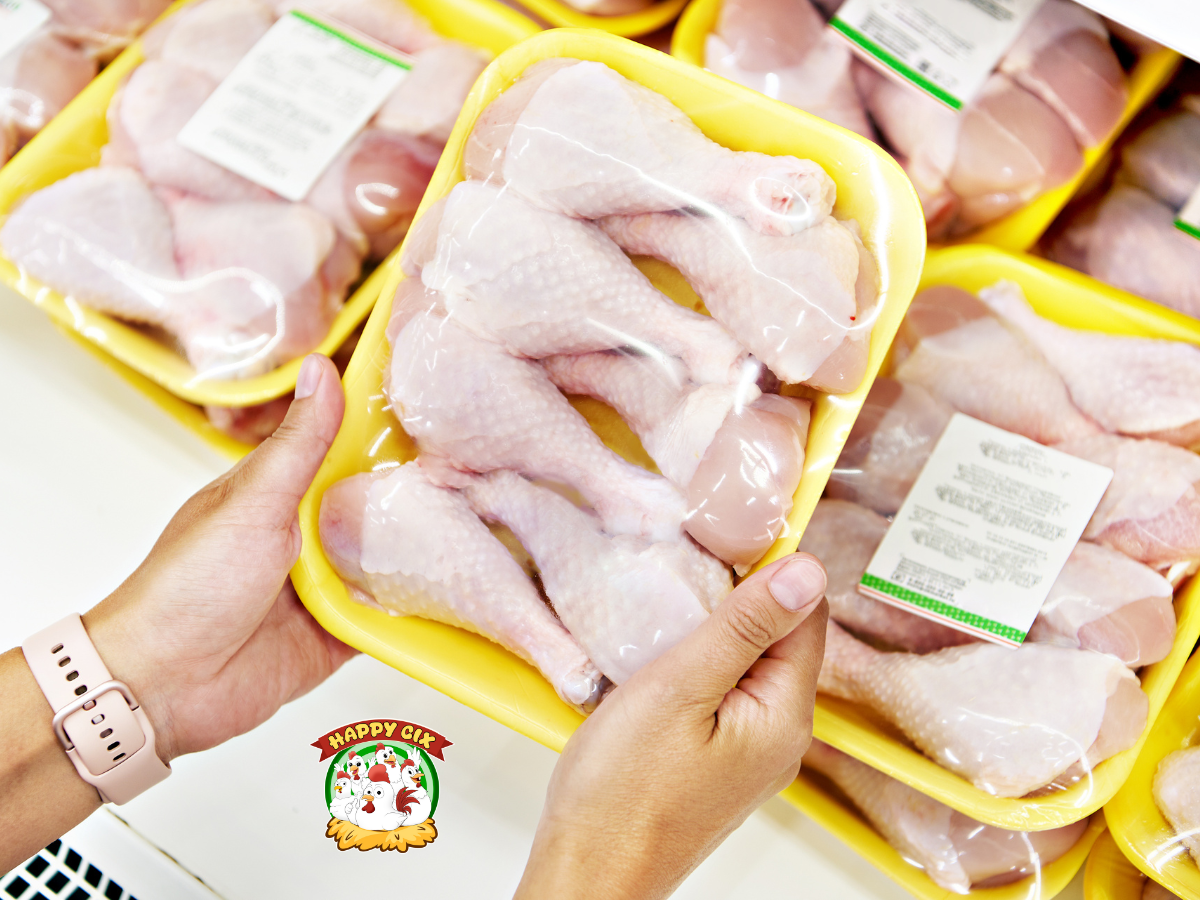
Chicken Slaughterhouses in Bali play a crucial role as key suppliers in the chicken supply chain, ensuring consistent availability of quality products for the market. Here, live chickens are processed to strict hygiene and food safety standards, resulting in a product that is ready for consumption by the general public. As the link between farmers and retailers, slaughterhouse ensure that the processed chicken meat meets market demand in various forms, ranging from whole chickens to specialized cuts such as breasts, thighs and wings.
In addition, they manage product distribution efficiently, maintaining the quality of the meat during transportation to keep it fresh until it reaches consumers. Thus, a chicken slaughterhouse not only acts as a provider of chicken meat, but also as a guarantor of the quality and safety of the products received by consumers. Choosing the best slaughter chicken supplier for a culinary or hotel business requires a lot of consideration. Slaughterhouse suppliers for businesses usually have to meet some specific criteria. The important role of slaughterhouse in the distribution of slaughtered chicken makes businesses more selective.
Happy Cix from PT Tulus Ayu Pangan Lestari is known as the best and most trusted chicken slaughterhouse and chicken meat supplier in Bali. With a commitment to quality and hygiene, Happy Cix provides chicken meat that is processed to the highest standards, ensuring every product produced is safe and quality. As a supplier, they have built a strong reputation in Bali, catering to various market needs ranging from retailers to restaurants with consistent supply and efficient distribution. The trust given by customers is a testament to their dedication in maintaining consumer satisfaction through hygienic products and professional services.